
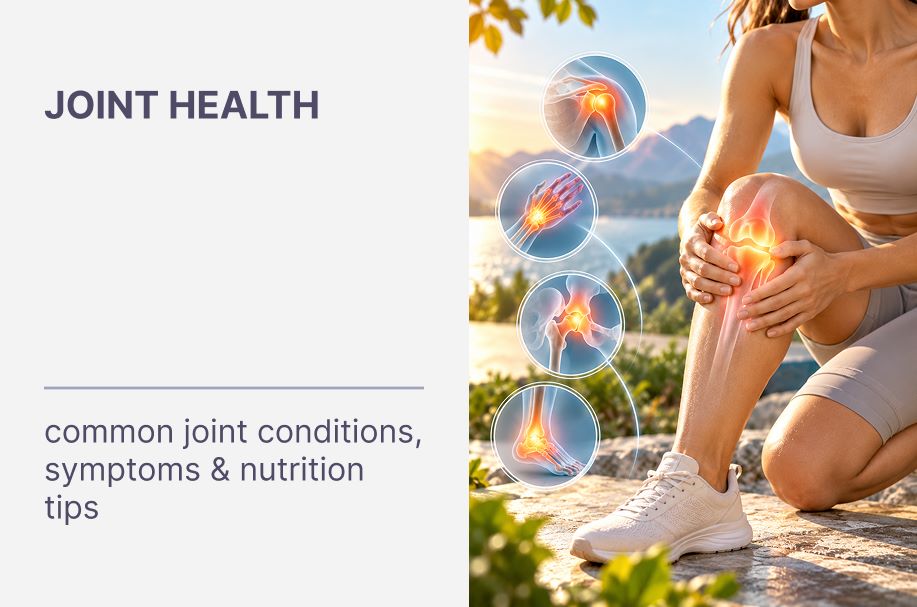
A person is only as young as their joints are healthy and mobile. This ancient Japanese saying has remained relevant for centuries. When every movement feels easy and effortless, we rarely appreciate how valuable that is. It is only when our joints begin to ache with changes in the weather, crack, hurt, or swell that we start to feel that old age may be approaching.
But joint problems are not always age-related. They can also affect younger people. The causes can vary:
- Excessive physical activity
- Injuries
- Complications following an illness
- Immune system disorders
- And much more…
There is no single treatment approach that works for all joint conditions. Recovery plan always depends on the specific diagnosis and any underlying health conditions.
The Most Common Joint Diseases
Of course, it is impossible to cover every joint disease and its treatment in a single article. We will therefore focus on some of the most common conditions. If you have questions about diseases not covered here, you can contact our consultant for guidance.
Osteoarthritis
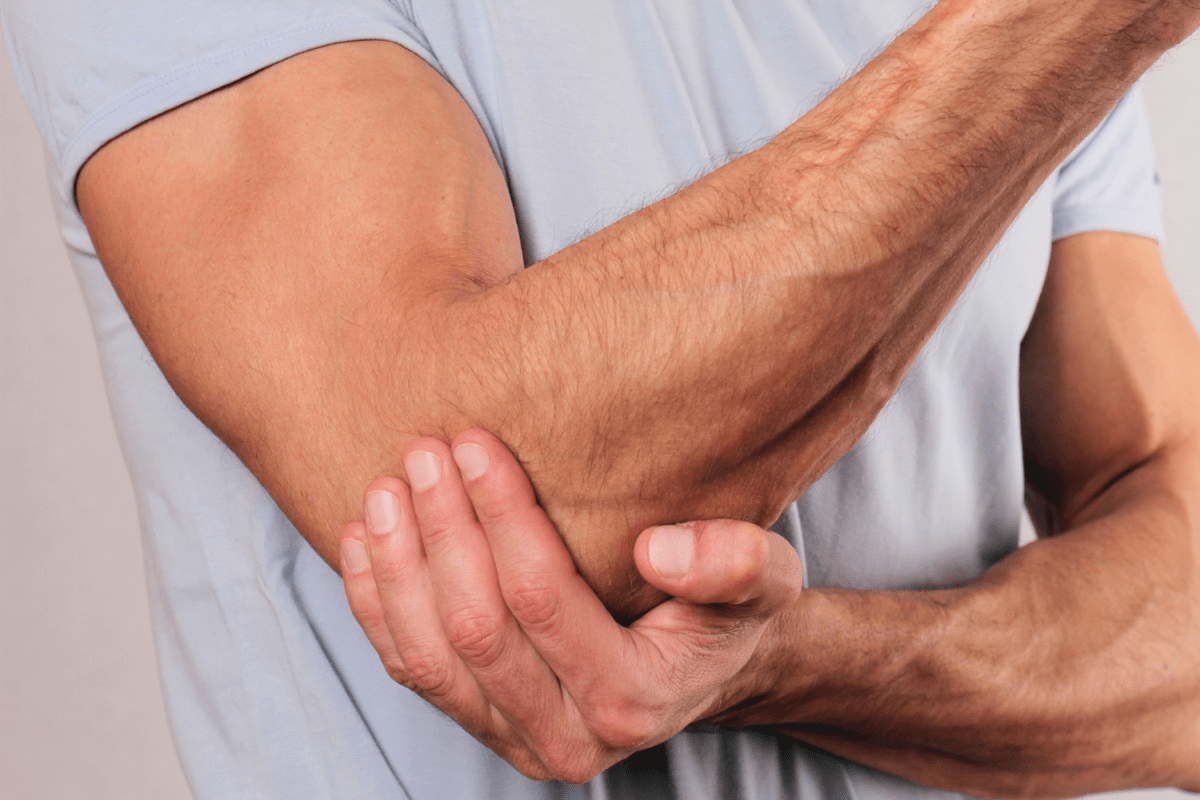
Do your joints crack, feel stiff, and ache at night or when the weather changes? These may be signs of osteoarthritis! This condition most commonly affects the knees, but it can also affect the hips and even the spine.
Without proper joint care, ypu may notice by the age of 40 that moving is not as easy as it used to be. Why does this happen?
In a healthy young person, cartilage in the knee joint is approximately 0.5 to 0.7 cm thick. Cartilage naturally wears down with movement. Intense physical activity can accelerates this process, while excess body weight may increase stress on the joints.
Type II collagen is the main protein found in cartilage. Its production decreases with age, and collagen fibers no longer regenerate as quickly as they did in youth.
Over time, toxins and salts may accumulate in cartilage. These are associated with the unpleasant, harsh, dry cracking sounds.
These are among the factors that can contribute to gradually reduced joint mobility and increased vulnerability to joint problems. Osteoarthritis progressively damages joints and, unfortunately, cannot be completely cured.
Arthritis
These are among the factors that can contribute to gradually reduced joint mobility and increased vulnerability to joint problems. Osteoarthritis progressively damages the joints and, unfortunately, cannot be completely cured.
Arthritis
Arthritis is often confused with osteoarthritis because the two conditions can have similar symptoms. But while osteoarthritis involves inflammation limited to the joints, arthritis affects the entire body. Their symptoms are indeed very similar, but there are differences.
The nature of the pain. With osteoarthritis, especially in the early stages, pain often occurs during strenuous activity or movement and may improve with rest. With arthritis, rest does not bring relief. A characteristic symptom is nighttime pain, particularly intense between 3 and 5 a.m.
Stiffness amd mobility. Osteoarthritis primarily affects the mobility of the affected joint and can noticeably limit its range of motion. With arthritis, stiffness may affect more than one joint, and mobility of the entire body or a particular part of it may become reduced.
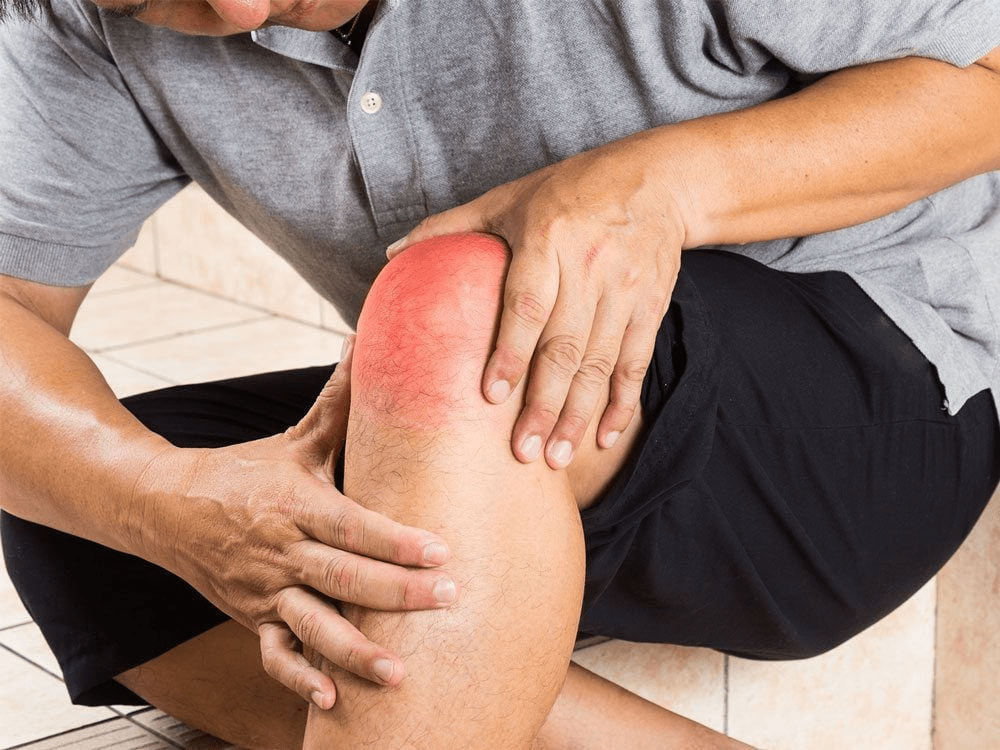
Changes in the joints. Both arthritis and osteoarthritis can cause changes in the appearance and function of the joints. Osteoarthritis may cause changes in the shape of an affected joint. Arthritis can be accompanied by swelling, lumps, and increased warmth in the affected areas. The skin may even feel warmer than the surrounding area.
Arthritis may also cause symptoms that are less typical of osteoarthritis:
- Fever
- Inflammation of the cornea
- Chills
- Excessive sweating
- General weakness
Gout
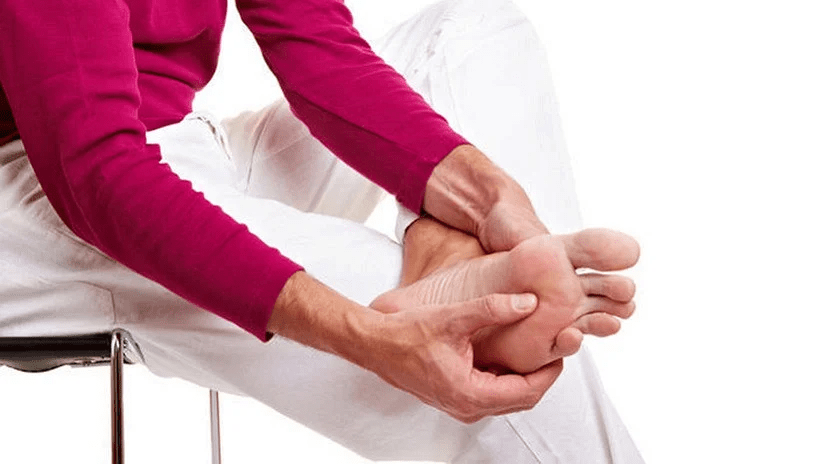
Gout is a form of arthritis associated with an increased concentration of uric acid crystals in the joints. It most commonly affects the toes, often causing intense pain and swelling around the big toe.
The condition can also affect the entire foot, knees, elbows, hands, and finger joints.
A couple of centuries ago, gout was considered a disease of the nobility, affecting only upper-class men. Indeed, one factor contributing to gout is excessive consumption of meat, alcohol, and sugar. At the time, ordinary people could not afford such indulgences.
But progress has made gout a possibility for everyone - today it affects almost 0.1% of the world's population. Modern research has also shown that overeating is not the only contributing factor. Doctors identify several risk factors:
- Men over 40
- Women going through menopause
- People with a genetic predisposition or a family history of gout
- People who are overweight, particularly those with obesity
- People who consume large amounts of animal fats, processed foods, and convenience foods
- People who drink excessive amounts of alcohol
Gout is dangerous because its symptoms closely resemble those of other joint disorders. As a result, treatment may sometimes focus only on relieving pain and inflammation without addressing the underlying cause. As a result, treatment may sometimes focus only on relieving pain and inflammation without addressing the underlying cause.
Meanwhile, uric acid crystals can continue to accumulate in the body and affect not only the joints but also other organs. Delayed or inadequate treatment may increase the risk of complications, including kidney stones and kidney problems.
Symptoms of gout:
- Sudden attacks of severe pain, usually at night or early in the morning
- Swelling and redness in one or more joints
- Intense pain that becomes significantly worse even with a light touch
- Limited range of motion
- Pain attacks lasting 2 to 7 days, then disappearing as suddenly as they began
As you can see, gout symptoms can easily be mistaken for arthritis or osteoarthritis. To avoid an incorrect diagnosis and inappropriate treatment, a blood test to measure uric acid levels is needed.
Bursitis
Unlike the conditions discussed above, bursitis is less widely known. Nevertheless, it is relatively common and can have serious consequences.
Bursitis is inflammation of the fluid-filled sacs (bursae) that cushion the joints and may be acute or chronic. Bursitis most commonly affects the knee, elbow, and shoulder, but it can also develop around the hip or foot.
Bursitis can have various causes:
- Joint injuries
- Prolonged strenuous physical activity or increased pressure on a joint
- Acute or chronic infections
- Inflammatory joint conditions - arthritis, rheumatoid arthritis, gout, and others
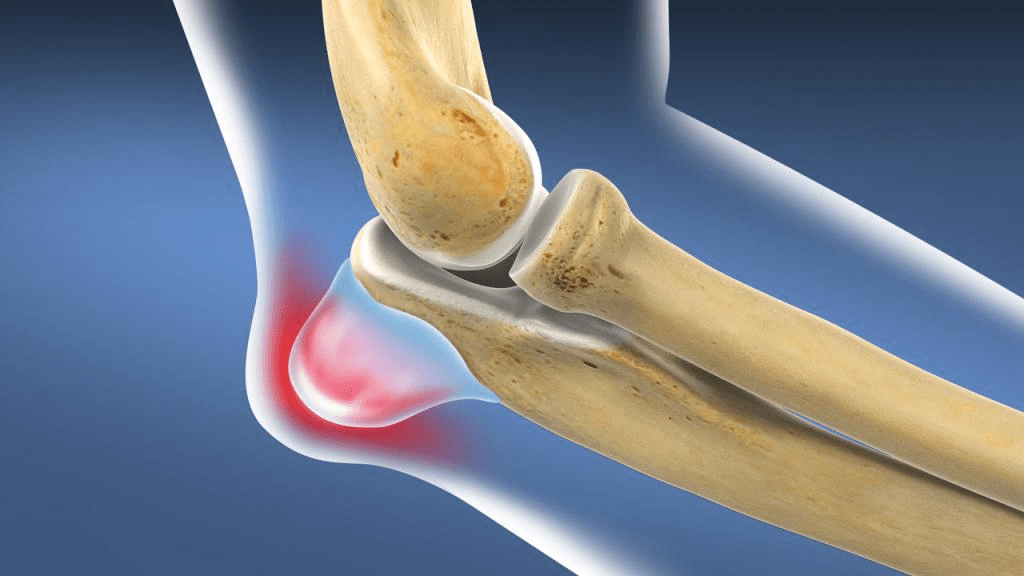
It is difficult to diagnose bursitis on your own because its symptoms - pain with movement, redness, swelling, and increased temperature - can resemble those of other joint disorders. Only a specialist can confirm the diagnosis following a clinical assessment and patient interview. Analysis of synovial fluid, ultrasound, or MRI is often required.
Rheumatoid Arthritis
Rheumatoid arthritis is a serious chronic autoimmune condition. In autoimmune diseases, the immune system mistakenly attacks the body's own tissues.
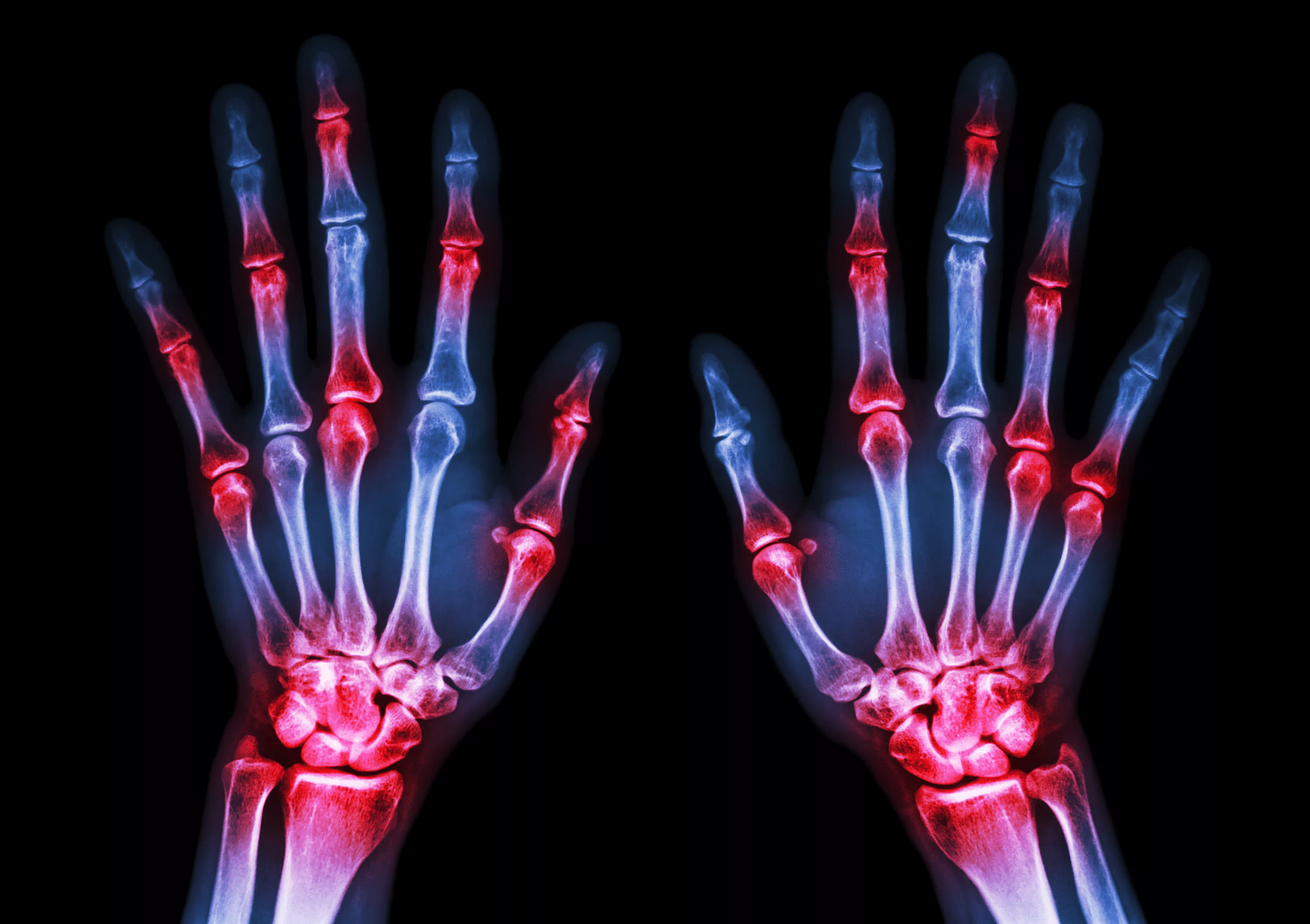
Rheumatoid arthritis affects the synovial membranes of the joints, particularly the small joints of the hands and feet. It initially causes painful swelling in affected joints and can eventually lead to deformity and progressive damage to bone tissue.
Rheumatoid arthritis can also affect the areas beyond the joints, including nerves, skin, blood, kidneys, lungs, eyes, the heart, and other vital organs.
Rheumatoid arthritis typically develops after the age of 40 and is more common in women. Smoking and a family history of this condition may also increase the risk. The course of the disease varies significantly - it may take months or years for pronounced symptoms and irreversible changes to appear.
Symptoms can vary depending on the severity of the disease and may temporarily improve. However, common signs include:
- Painful joint swelling
- Redness and increased warmth in affected areas
- Morning stiffness lasting from one to several hours
- Rheumatoid nodules forming beneath the skin of the hands
- Symmetrical involvement of joints on both sides of the body
- Noticeable weight loss, general weakness, and a low-grade fever
Unfortunately, rheumatoid arthritis cannot be completely cured. However, appropriate treatment can significantly reduce and control symptoms and help prevent joint damage and complications.
How Are Joint Diseases Treated?
Primary treatment should be prescribed by a rheumatologist after diagnosis. Because many joint disorders often have similar symptoms, self-diagnosis is not possible. Self-medication may temporarily mask symptoms without stopping disease progression, often causing patients to seek medical care only at an advanced stage.
We suggest adjusting your diet and taking natural Japanese supplements that may help relieve symptoms, enhance the effects of prescribed treatment, and in some cases even make it possible to stop using pharmacy medications altogether.

Nutrition for Healthy Joints
First, it is important to maintain good hydration. Water is said to help dissolve and remove substances that have accumulated in the joints over many years. Water also helps cartilage remain smooth and slippery. The more water there is, the less friction in cartilage and the less discomfort during movement.
The recommended daily intake is 30 ml of clean water per kilogram of your ideal body weight. In other words, calculations should be based not on your current weight but on the weight considered ideal for your height and age.
Dietary recommendations vary depending on the specific joint condition, but some general guidelines may apply to both treatment and prevention.
First and foremost, your diet should include foods rich in omega-3 fatty acids. These healthy fats may help support a balanced inflammatory response in the body. Good sources of omega-3s include fatty fish, krill, and flaxseed oil.
For some joint conditions, it may also be helpful to limit alcohol and highly processed foods. Strong coffee and tea, as well as very spicy foods, may need to be limited depending on the individual and the specific condition.

Nutrition for Arthritis, Osteoarthritis, and Bursitis
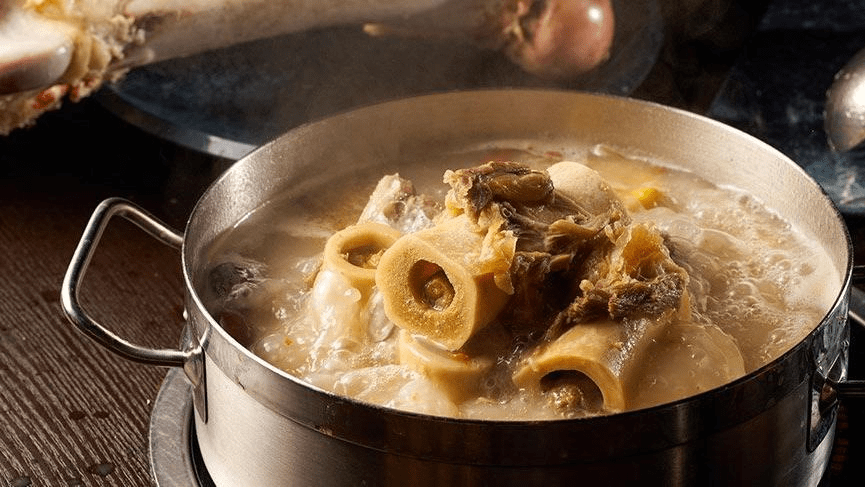
Collagen is needed for joint repair. It gives strength to cartilage and bone and is also found in muscles and ligaments. To get enough collagen every day, prepare rich bone broths and meat jellies. Dishes made with gelatin and agar-agar may also be beneficial.
Include protein-rich foods in your diet:
- Milk and fermented dairy products
- Lean meat and fish
- Plant-based protein sources such as legumes and buckwheat
Nutrition for Gout
A properly planned diet may help manage gout and reduce the risk of attacks. With gout, it is generally recommended to limit or avoid foods and beverages that can contribute to elevated uric acid levels.
These may include:
- Alcoholic beverages, especially beer
- Rich meat and fish broths
- Fried, salted, and smoked foods
- Spicy dishes, including seasonings such as mustard, horseradish, and pepper
- Legumes
- Sorrel and other foods with a high acid content

A vegetarian menu is recommended. Moderate amounts of lean meats - turkey, rabbit, and chicken - are permitted. Boiled fish and chicken eggs may also be included. Boiling and stewing are the preferred cooking methods.
Nutrition for Rheumatoid Arthritis
With rheumatoid arthritis, diet requires particular attention. It may be helpful to limit excessive salt intake, including hidden sodium found in processed and prepared foods. This means excluding ready-made and convenience foods, canned goods, pickles, sauces, and similar products.

Animal fats should also be limited. Use vegetable oils instead, especially olive and flaxseed oils, which provide valuable omega fatty acids.
Simple, balanced meals are recommended. Foods can be boiled, steamed, baked, or stewed. Choose vegetable-based soups instead of rich meat or fish broths, and include lean protein sources such as turkey, chicken breast, and other lean meats.
Treatment Plans for Joint Diseases
If you have been prescribed medication, do not neglect it. However, remember that medicines can place a serious burden on the liver and immune system. We therefore recommend taking natural and, above all, safe products alongside them. This is said to significantly improve treatment effectiveness and reduce the amount of medication needed, perhaps even allowing you to stop taking it over time.
Plan for Arthritis and Osteoarthritis
Product
Its Effects
How to Take It
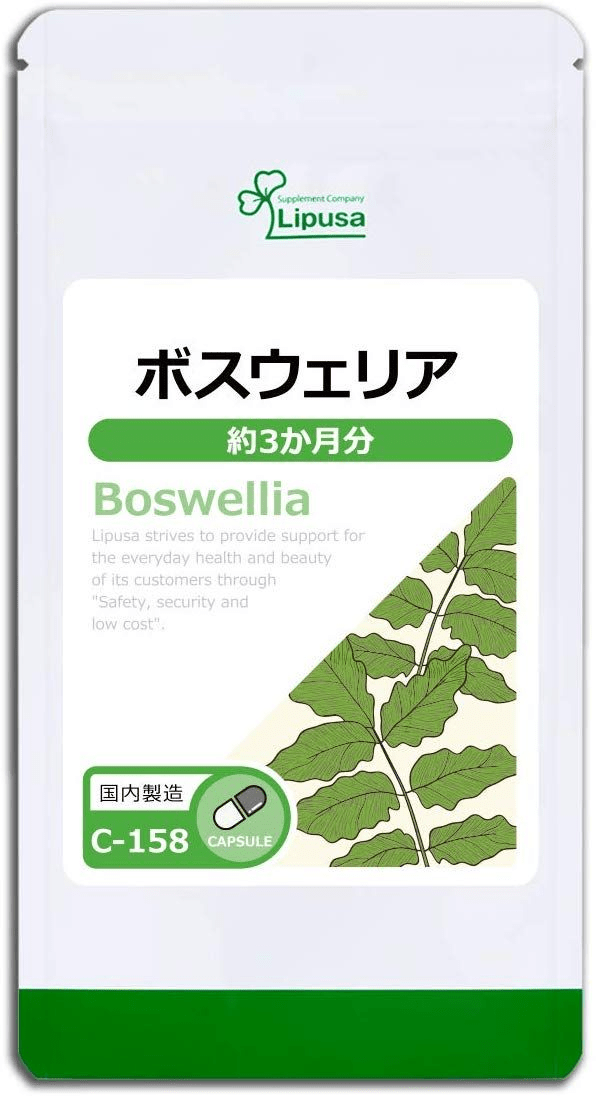
Relieves pain and has a powerful anti-inflammatory effect
Take one capsule twice daily. For severe pain, the dose may be increased to five capsules daily.
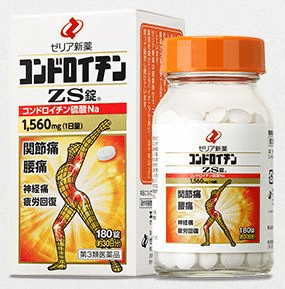
Slows cartilage breakdown, improves cartilage and tendon elasticity, and relieves joint pain and inflammation
Take two tablets three times daily after meals.
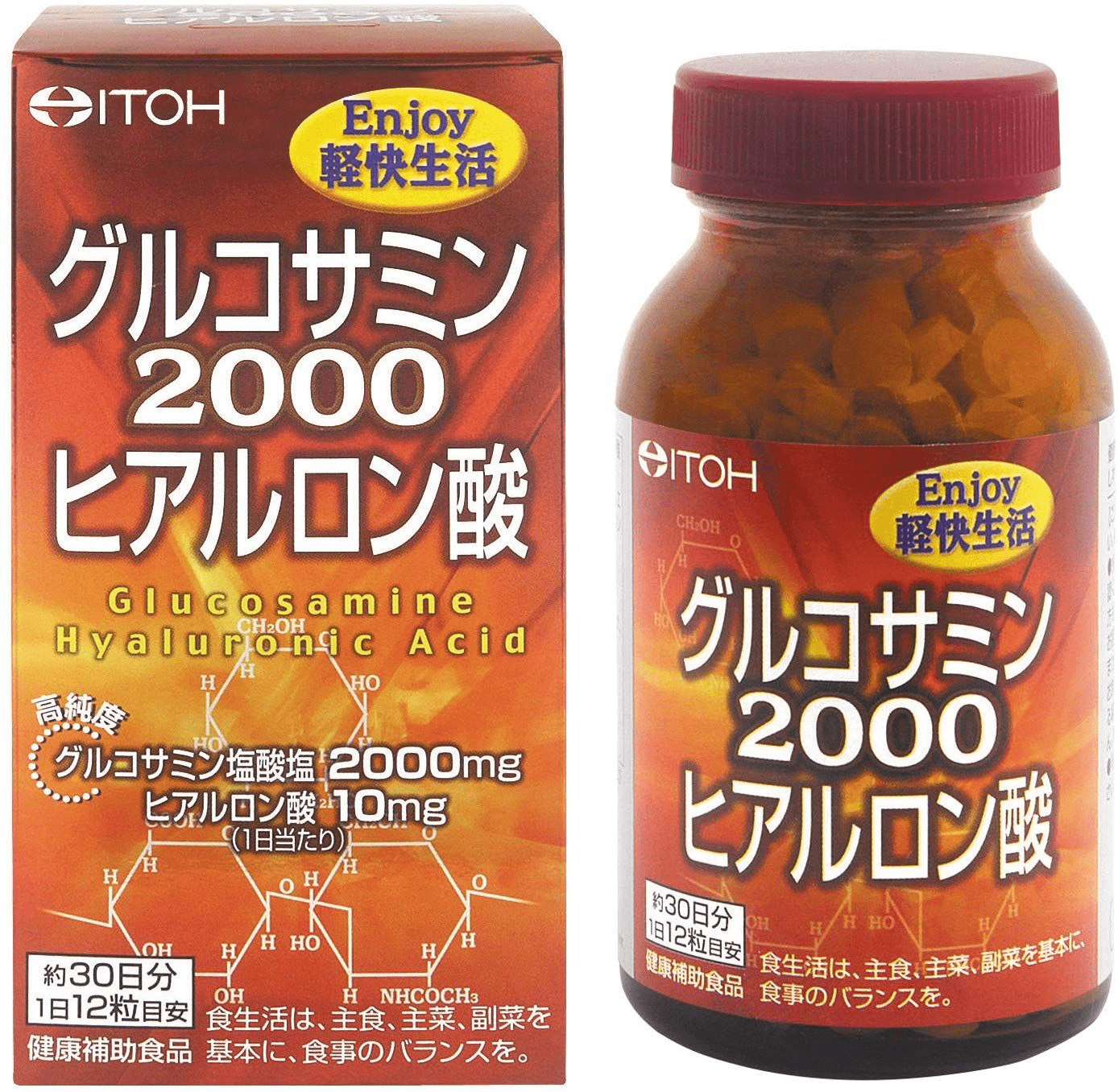
Helps hydrate joints, reduces friction, and relieves pain during movement
Take four tablets three times daily

Relieves pain and reduces swelling
Take four capsules daily, divided into two doses
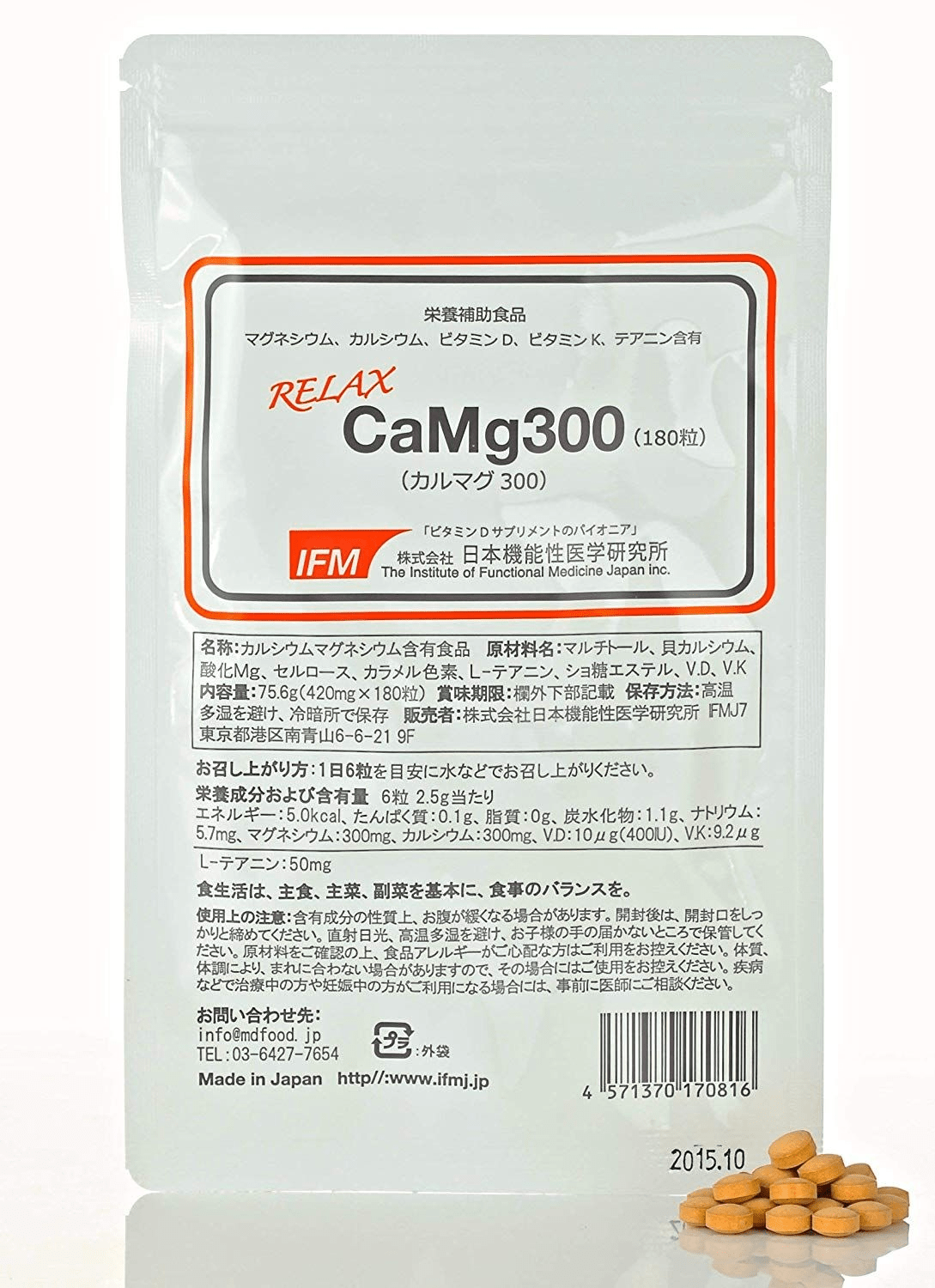
Strengthens joint tissues
Take two tablets three times daily.
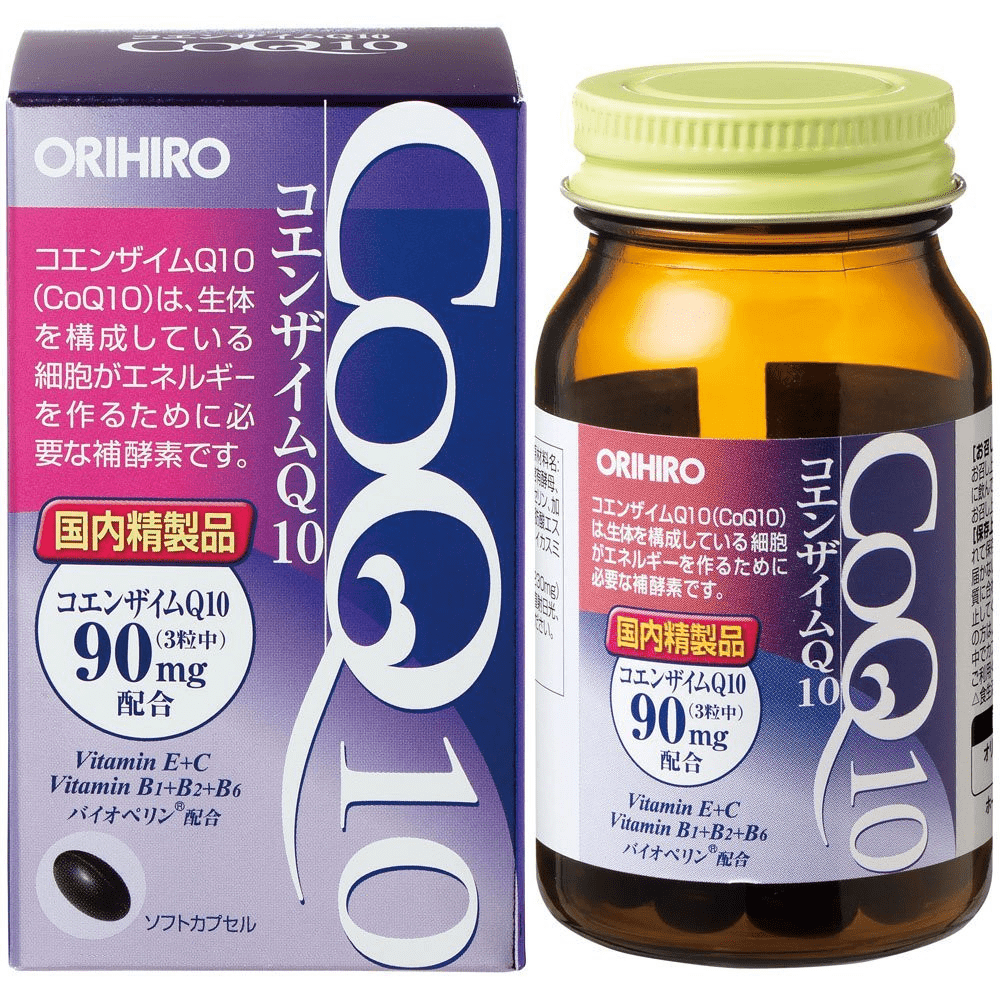
Provides antioxidant effects and accelerates regeneration
Take one capsule three times daily
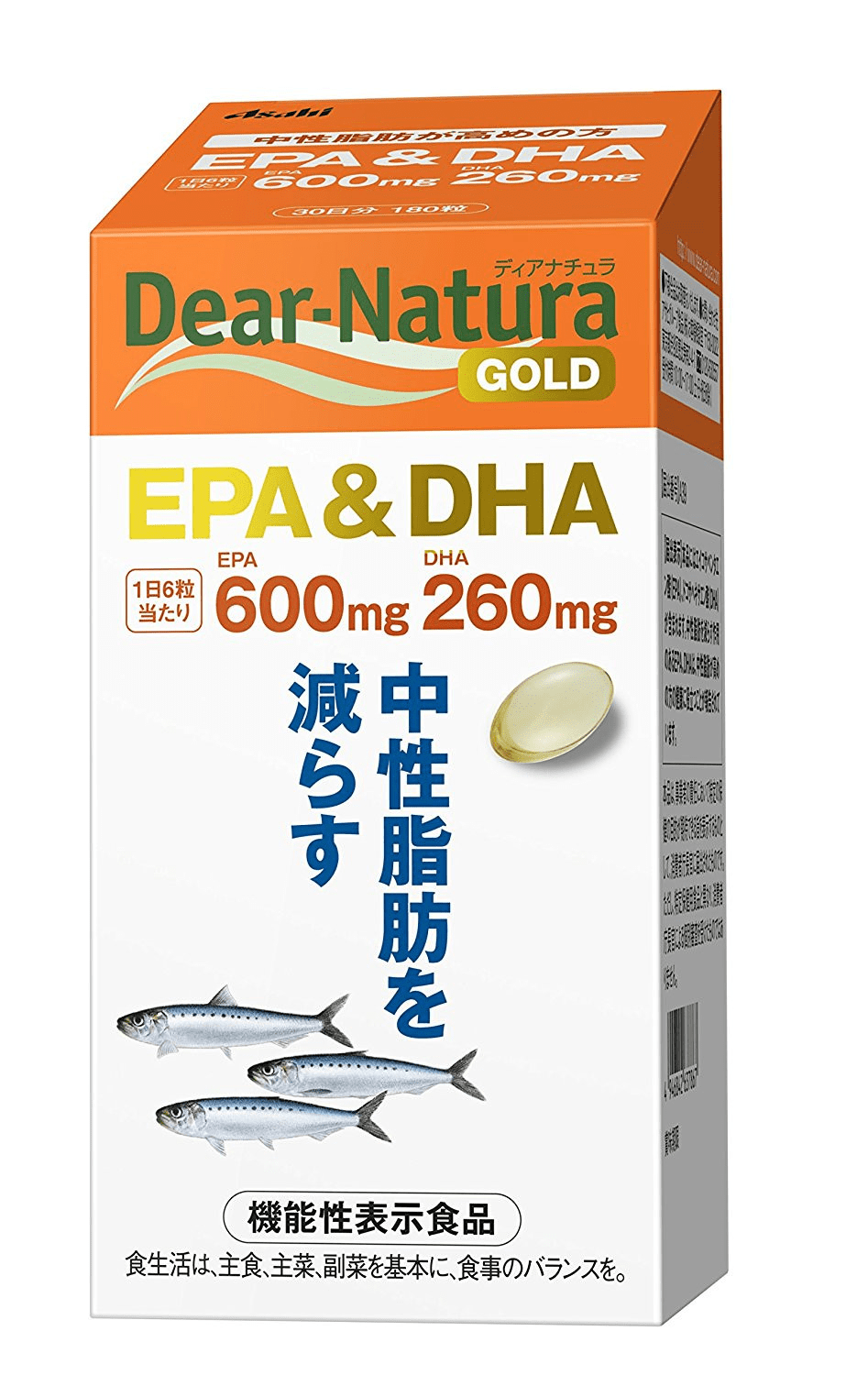
Reduces inflammation and supports the repair of damaged tissues
Take six capsules daily with food, divided into 2-3 doses
Plan for Bursitis
Product
Its Effects
How to Take It
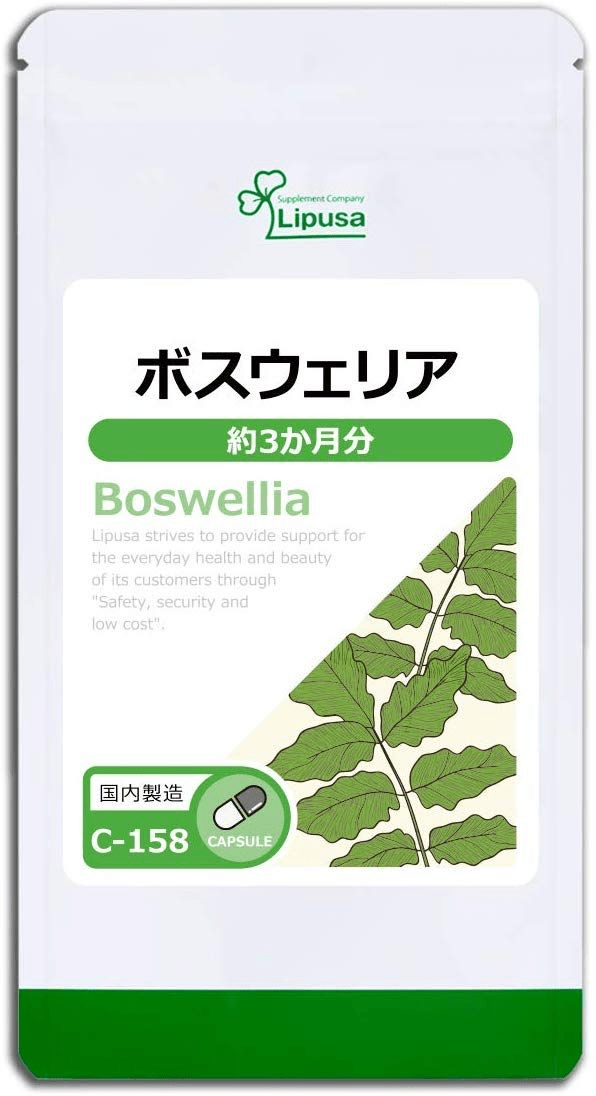
Relieves pain and has a powerful anti-inflammatory effect
Take one capsule twice daily. For severe pain, the dose may be increased to five capsules daily.

Relieves pain and reduces swelling
Take four capsules daily, divided into two doses
Plan for Gout
Product
Its Effects
How to Take It
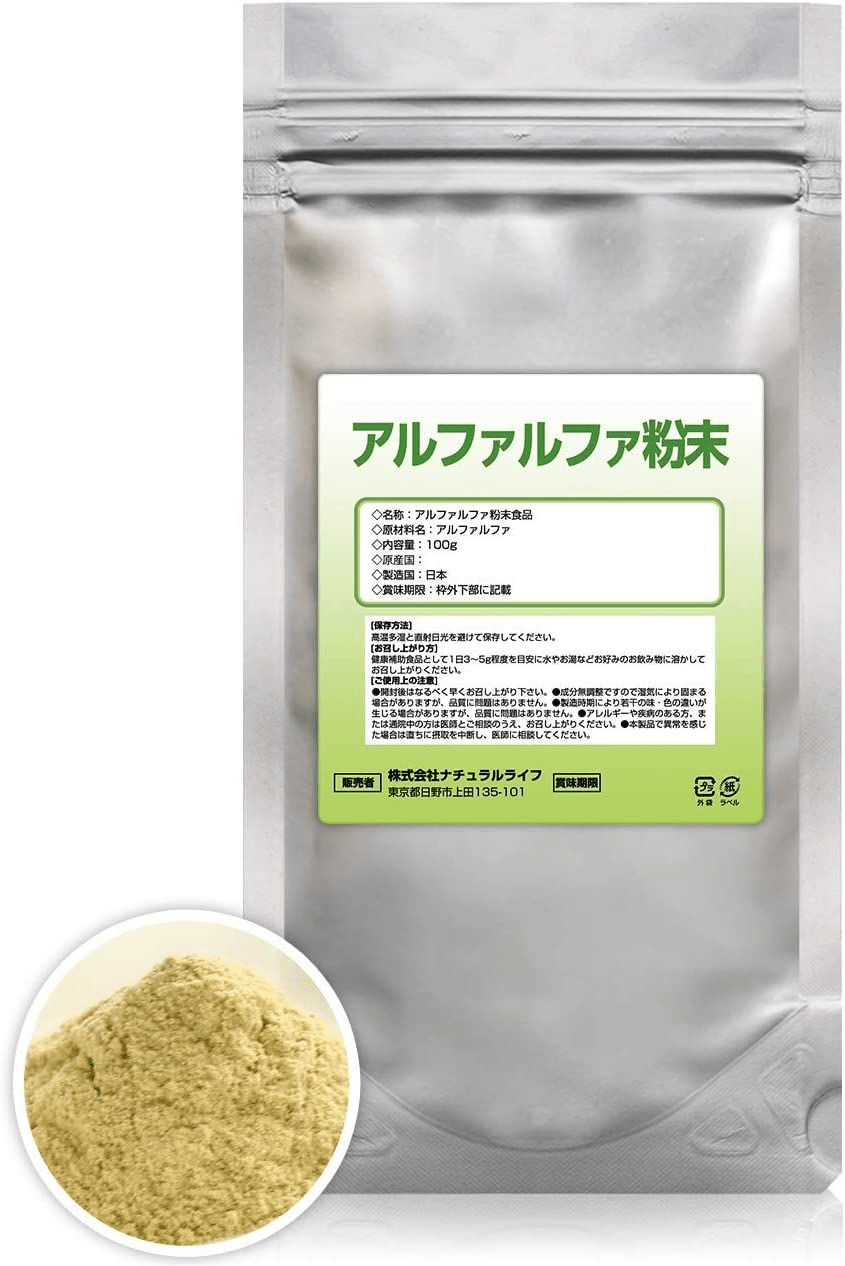
Helps eliminate uric acid
Dissolve 3-5 g of powder in water or another beverage and take daily.
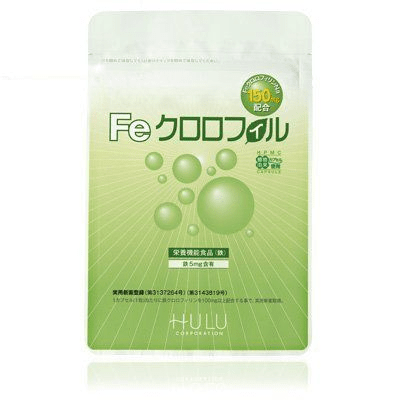
Provides an alkalizing effect and neutralizes excess acid
Take one capsule twice daily.
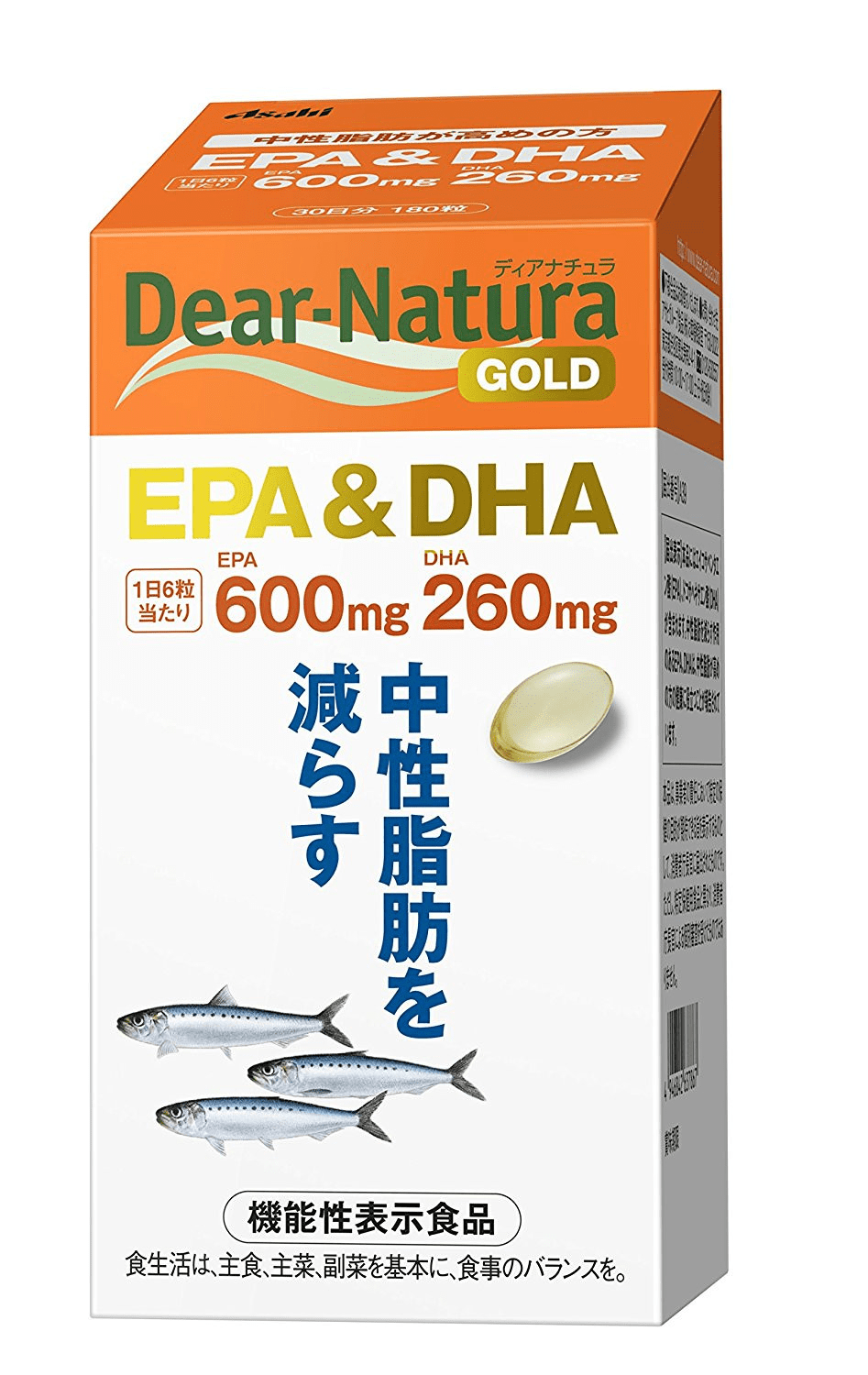
Reduces inflammation and supports the repair of damaged tissues
Take six capsules daily with food, divided into 2-3 doses
Rheumatoid Arthritis
Treating rheumatoid arthritis requires a special approach. Therefore, for this diagnosis, we recommend starting by restoring gastrointestinal health, using the Basic Complex of the GI Health Program as a foundation.
At the same time, the following supplements are recommended to help relieve symptoms and prevent joint tissue damage:
Product
Its Effects
How to Take It
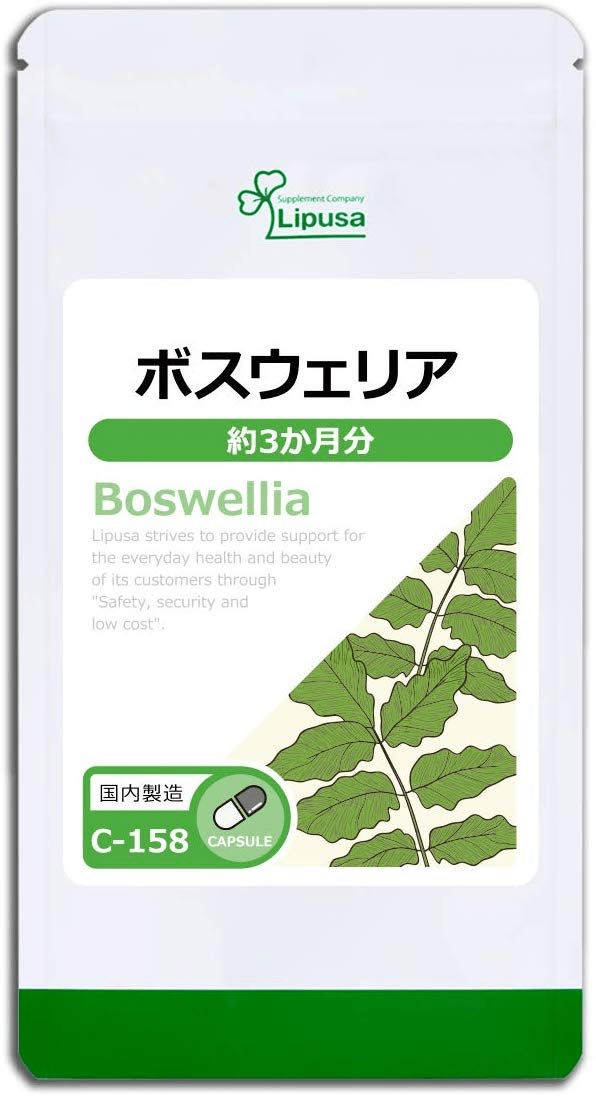
Relieves pain and has a powerful anti-inflammatory effect
Take one capsule twice daily. For severe pain, the dose may be increased to five capsules daily.

Relieves pain and reduces swelling
Take four capsules daily, divided into two doses
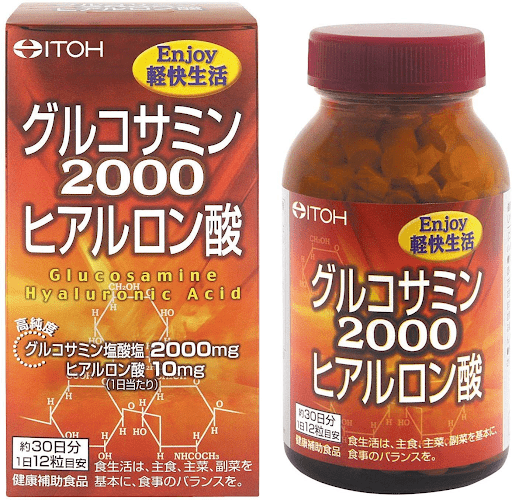
Helps hydrate joints, reduces friction, and relieves pain during movement
Take four tablets three times daily
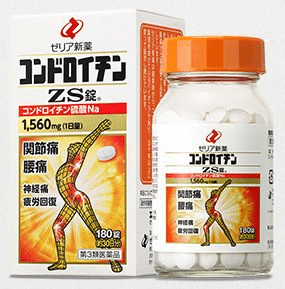
Slows cartilage breakdown, improves cartilage and tendon elasticity, and relieves joint pain and inflammation
Take two tablets three times daily after meals.
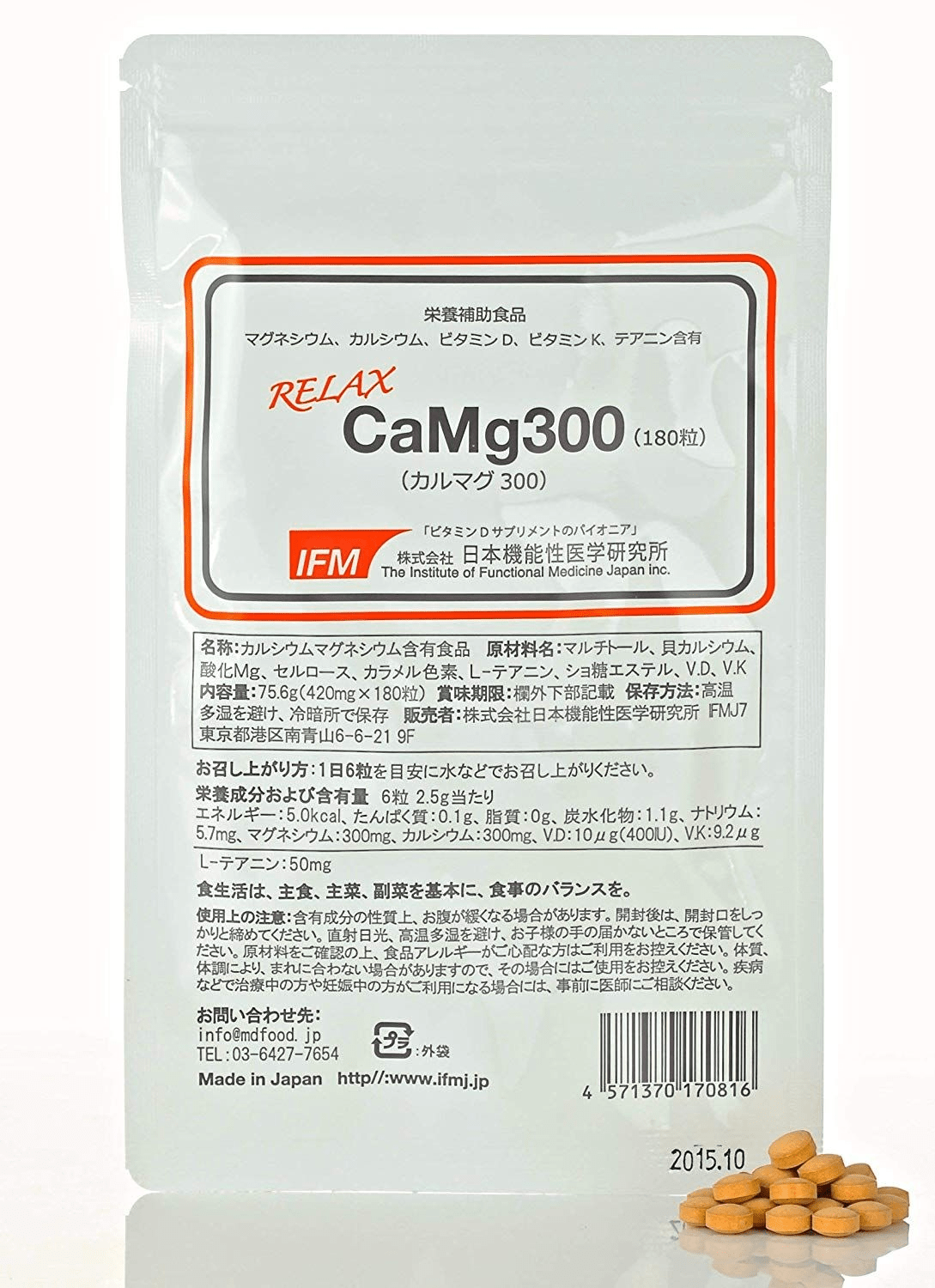
Strengthens joint tissues
Take two tablets three times daily.
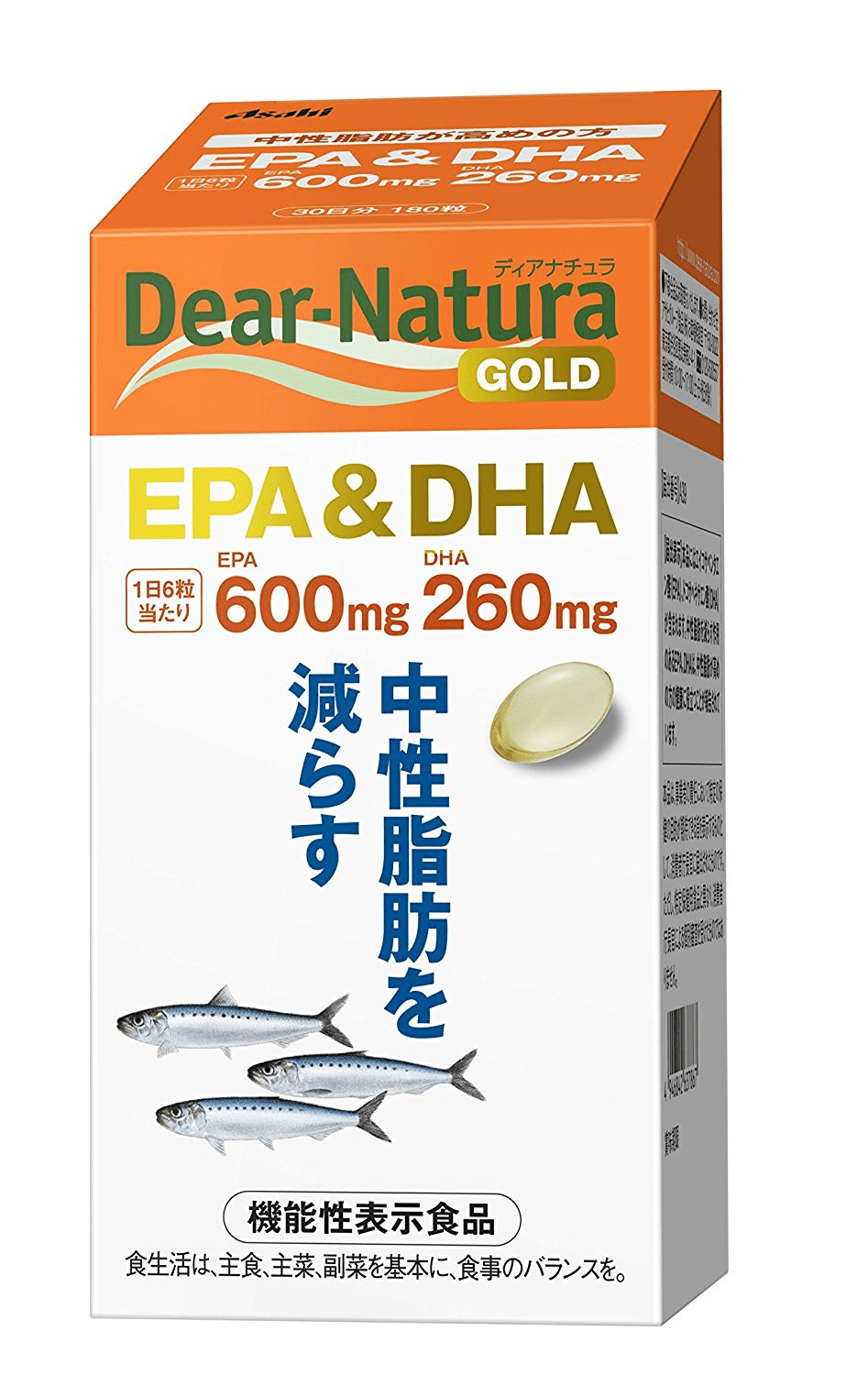
Reduces inflammation and supports the repair of damaged tissues
Take six capsules daily with food, divided into 2-3 doses
For rheumatoid arthritis, it is also recommended to take Pau d'Arco (tea or capsules) and Noni (capsules or concentrated juice). These products are taken alternately in three-month courses.
***
All products listed in these treatment plans, as well as their alternatives, can be purchased from our online store. If you cannot find a plan for your condition or have any questions, please contact our consultant.