

Why Collagen is Called the "Protein of Youth"
Collagen is the most abundant protein in the human body, accounting for up to 30% of the body's total protein. It is the primary structural component of the skin, joints, ligaments, bones, and blood vessels. However, its synthesis inevitably declines with age. After the age of 25-30, collagen production decreases by approximately 1-1.5% per year.
In Japan, this issue is approached systematically—not as an unavoidable part of aging, but as a process that can be slowed and corrected. Japanese researchers actively study the potential of collagen peptides, and the results are impressive. A recent 16-week placebo-controlled study by Japanese scientists (Waseda University, Morinaga & Co.) showed that daily intake of 10 g of collagen peptides increases muscle and tendon stiffness and improves explosive power in healthy young men.
Another Japanese study (2024, 62 participants) confirmed that collagen peptides not only improve appearance but also reduce fatigue and increase energy. Clinical trials registered with UMIN (Kyoto University Hospital) note the positive effects of collagen on skin hydration, elasticity, and scalp health.
💡Did you know? Collagen production depends not only on amino acids but also on vitamin C, zinc, copper, and antioxidants. Deficiency of these nutrients directly affects the quality of collagen fibers.
5 Signs of Collagen Deficiency
✔️ Your skin has become thin, dry, and lost its elasticity

- What happens: Collagen forms the structural framework of the skin. As collagen levels decline, the skin becomes thinner, loses firmness, and wrinkles begin to appear. Skin elasticity is one of the primary indicators measured in Japanese collagen studies.
- Japanese approach: Low-molecular-weight collagen (peptides) are popular, as they are better absorbed. They are often combined with vitamin C (essential for collagen synthesis), hyaluronic acid, and ceramides for a synergistic effect.
- Product example: Meiji Amino Collagen Premium with ceramides for skin beauty and joint health
✔️ Joint pain, cracking joints, or lower back discomfort
- What happens: Collagen is a major component of cartilage. As collagen levels decrease, cartilage gradually loses strength, leading to stiffness, discomfort, and joint noises. A 2026 study by Japanese scientists (Saito et al.) showed that taking 10 g of collagen peptides daily for 12 weeks significantly reduces lower back discomfort and improves daily activity in middle-aged and older adults.
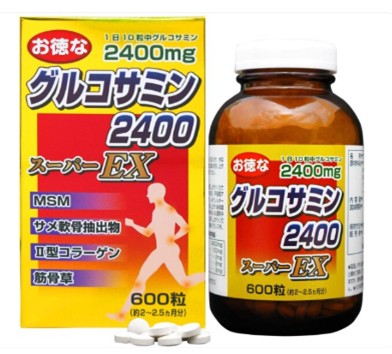
- Japanese approach: Collagen is often combined with glucosamine, chondroitin, and vitamin D for comprehensive joint and musculoskeletal support.
- Product examples: Glucosamine complex for joint and musculoskeletal support Yuki Pharmaceutical Glucosamine 2400 Super EX and Vitamin D for immunity support Nature Made Super Vitamin D
✔️ Brittle hair, shedding, and weak nails
- What happens: Hair and nails are 80-90% keratin, amino acids involved in collagen synthesis. Reduced collagen levels may contribute to weaker, thinner hair and brittle nails.
- Japanese approach: Japanese women often take collagen in combination with silicon, zinc, and biotin to strengthen hair and nails. Complexes with placenta extract (stimulates hair follicle regeneration) and keratin are also popular.
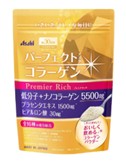
- Product examples: Low-molecular-weight collagen with placenta extract for skin beauty and elasticity Asahi Premium Rich, High-concentration hydrogen and silicon water generator Power Silex HYDROGEN & SILICA, Vitamin complex with biotin and niacin Orbis Clear Inner Condition
✔️ Fatigue sets in quickly, muscles lose tone

- What happens: Collagen is important not only for joints but also for muscles. A recent Japanese study (Miyamoto et al., 2025) showed that collagen peptides increase muscle stiffness (an indicator of their "readiness" for load) and improve explosive power. A 2024 study confirmed that collagen reduces fatigue and boosts energy.
- Japanese approach: Collagen for energy and sports is often taken with coenzyme Q10 (for cellular energy) and L-carnitine.
- Product examples: Protein drink with collagen, lactic acid bacteria, GABA, and L-carnitine Asahi Slim Up Slim Shape BEAUTY in PROTEIN Mango Orange and Coenzyme Q10 complex with vitamins Orihiro.
✔️ Stretch marks have appeared, blood vessels are visible through the skin
- What happens: Collagen provides structural support for connective tissue. As collagen declines, the skin becomes thinner, making blood vessels more visible and increasing the likelihood of stretch marks and fine wrinkles.
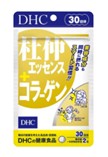
- Japanese approach: Collagen supplements are often combined with Eucommia extract (which stimulates collagen synthesis) and vitamin E (protects collagen fibers from degradation).
- Product example: Eucommia extract complex for vitality and metabolism DHC Eucommia Extract
How to Choose the Right Collagen Supplement
| Your Goal | Recommended Formula | Supporting Ingredients |
|---|---|---|
| Firmer, hydrated skin | Low-molecular-weight hydrolyzed collagen | Vitamin C, hyaluronic acid, ceramides |
| Joint and spine health | Collagen + glucosamine/chondroitin | Vitamin D, calcium |
| Hair and nail health | Collagen + placenta/keratin | Zinc, silicon, biotin |
| Energy and musclesrecovery | Collagen + coenzyme Q10 | L-carnitine, B vitamins |
| Skin tone, blood vessels, stretch mark prevention | Collagen + CICA | Vitamin E, astaxanthin |
What Japanese Studies Say
- Miyamoto et al. (2025) study: 16-week RCT with 50 healthy men showed that taking 10 g of collagen peptides daily increases muscle stiffness (p < 0.001) and Achilles tendon stiffness (p < 0.001), and improves explosive power. This means collagen works not only for the skin but also for the musculoskeletal system.
- Saito et al. (2026) study: 12-week RCT with 49 people with lower back discomfort showed that taking 10 g of collagen peptides significantly improves daily functions (dressing, mobility).
- UMIN clinical trials (2025): Japanese scientists are studying the effects of collagen on stratum corneum hydration, skin elasticity, and scalp condition.
- Fatigue study (2024): in an 8-week RCT with 62 Japanese adults, collagen peptides reduced fatigue and increased energy.
📌 Conclusion: Japanese clinical research suggests that collagen supplementation is most effective when taken consistently at 5–10 g per day for at least 8–16 weeks.
Q&A
❓ At what age should you start taking collagen?
Answer: collagen synthesis begins to decline after age 25-30 years. Preventive intake can start at 30. If symptoms are pronounced (joints, skin) - at any age.
❓ Which collagen is better: animal or marine?
Answer: in Japan, marine collagen (from fish) is more commonly used - it has smaller molecules and is better absorbed. Shark fin collagen is also popular - it is considered premium with high bioavailability.
❓ Is there a difference between powder and capsule collagen?
Answer: the form matters less than the molecular weight. Hydrolyzed collagen (peptides) is significantly better absorbed than native collagen. Powders often have a higher dose per serving (5-10 g), capsules are convenient for on-the-go use.
❓ Can you get collagen from food?
Answer: yes, from bone broths, jelly, fish with skin and cartilage. But to get a therapeutic dose (5-10 g), you would need to eat large amounts of such foods. Supplements are a concentrated and standardized source.
❓ Are there any side effects?
Answer: collagen is considered safe. In rare cases, mild gastrointestinal reactions (bloating, heaviness) may occur at high doses. Start with small doses to allow the body to adjust.
❓ Do you need to take breaks?
Answer: the optimal approach is 2-3 month courses with a 1-2 month break. Japanese studies used continuous courses of 8 to 16 weeks.
Conclusion: The Japanese Approach - Science, Regularity, Quality
Signs of collagen deficiency are signals from the body that should not be ignored. In Japan, this issue is approached systematically: not "take collagen once a year," but use it as part of daily prevention, in the right dosages, and in combination with supporting components.
Your action plan:
- Identify which symptoms apply to you.
- Choose a collagen formula based on your goals.
- Take collagen consistently for at least 2–3 months (5–10 g daily).
- Combine it with vitamin C and antioxidants for optimal support.
Where to Buy Authentic Japanese Collagen
In our catalog, you will find collagen complexes with proven effectiveness - from marine to animal, from single-component to complex formulas with peptides, placenta, vitamins, and minerals.
💡 Choose your collagen and restore healthy skin, joints, and energy!
📌 This article is for informational purposes only. It is recommended to consult a physician before taking any dietary supplement.