

When we think of scenic Japan, views of Mount Fuji, the bamboo groves of Arashiyama, or the red torii gates of Fushimi Inari immediately come to mind. But the true magic of this country is often hidden in places rarely reached by crowds of tourists. Let's embark on a virtual journey to those corners where time flows differently, and nature reveals itself in its authentic beauty.
Kamikochi: An Alpine Valley in the Clouds
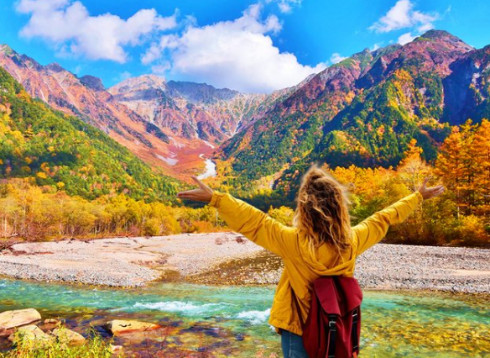
Located in the Japanese Alps at an altitude of 1500 meters, Kamikochi Valley is a place where you forget about the existence of cities. Private vehicles are prohibited here, preserving its unique ecosystem. A walk along the crystal-clear waters of the Azusa River, framed by larches and rocks, resembles meditation.
According to legend, it was here that the mountain deity Hotake-no Kami first descended to earth, which is why Kamikochi is often called the "Valley of the Gods". This place is revered by the Japanese as sacred, and many trails coincide with ancient pilgrimage routes along which believers have walked for centuries, seeking to feel at one with nature. In the morning hours, when mist rises over the water, the landscape acquires mystical beauty — hence its nickname, the "Valley in the Clouds".
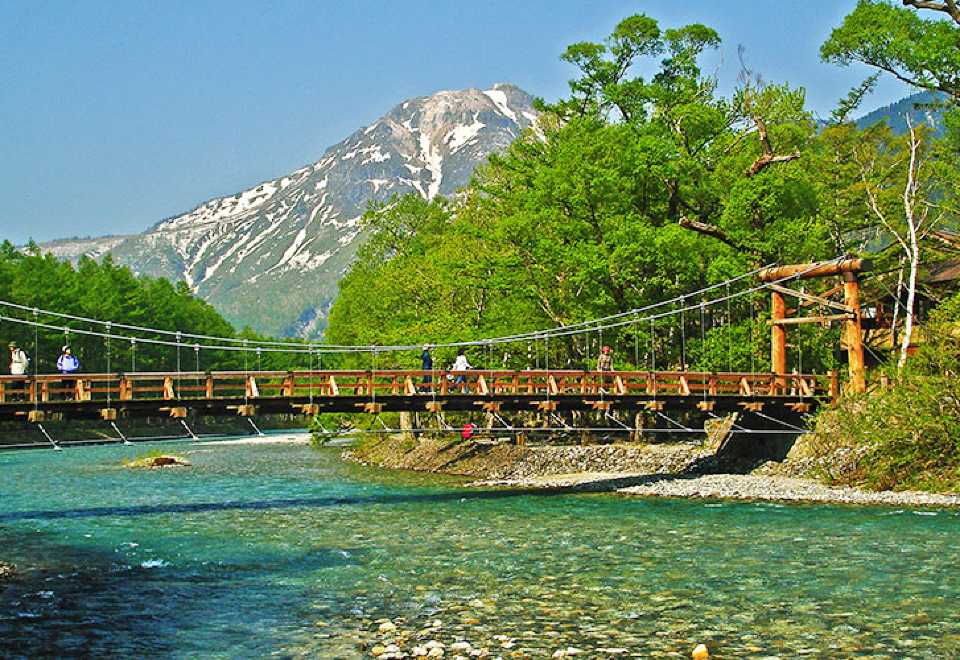
Kamikochi is also known for its bridges and viewpoints. The most famous is the Kappa-bashi suspension bridge, which offers a panorama of the snow-capped Hotaka peaks and Mount Yakedake, the region's last active volcano. Legend has it that the bridge is named after the kappa — mythical water spirits said to inhabit the Azusa River. Tourists often notice that even a light breeze here fills the air with the sounds of water and leaves, as if nature itself whispers ancient stories.
Today, Kamikochi is considered one of Japan's most protected natural areas. During the warm season, climbers, photographers, and botanists flock here, as the valley is famous for over 180 plant species, including rare alpine flowers and cedars several hundred years old. Thanks to strict environmental regulations, the area remains virtually untouched by humans, allowing you to see Japan as it was centuries ago.
💡 Traveler's tip: the air here is clean but also very capricious. Sudden mountain rain or scorching sun is common. Your reliable companion — White Rose folding vinyl umbrella with a wind-resistant construction. It won't take up space in your backpack but will save you in any situation. And to keep your skin from suffering from the changeable highland climate, it's worth getting Kao Curel UV Protection Face Cream SPF 30 PA + + Dry Skin. A light cream — and you're protected from UV rays and dehydration.
Yakushima Island: A 7000-Year-Old Forest
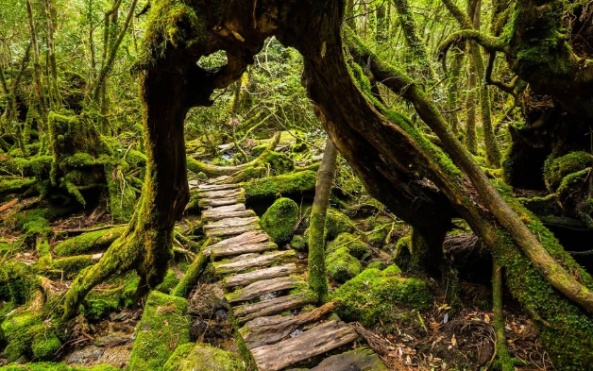
This is not just an island, but a UNESCO World Heritage site, covered in an ancient cedar forest. Some trees, such as the famous Jomon-sugi, are over 7000 years old. A walk on the damp moss under the canopy of giants immerses you in the atmosphere of a Miyazaki fairytale.
Yakushima is considered a place where nature literally "breathes" life. It receives one of the highest amounts of rainfall in Japan — it rains almost every day, creating a special microclimate in which the rarest species of mosses and ferns thrive. Scientists often call this forest the "green heart of Japan" for its ability to saturate the atmosphere with oxygen and moisture, and travelers note that the air on Yakushima smells not of the sea, but of damp wood and mountain freshness.
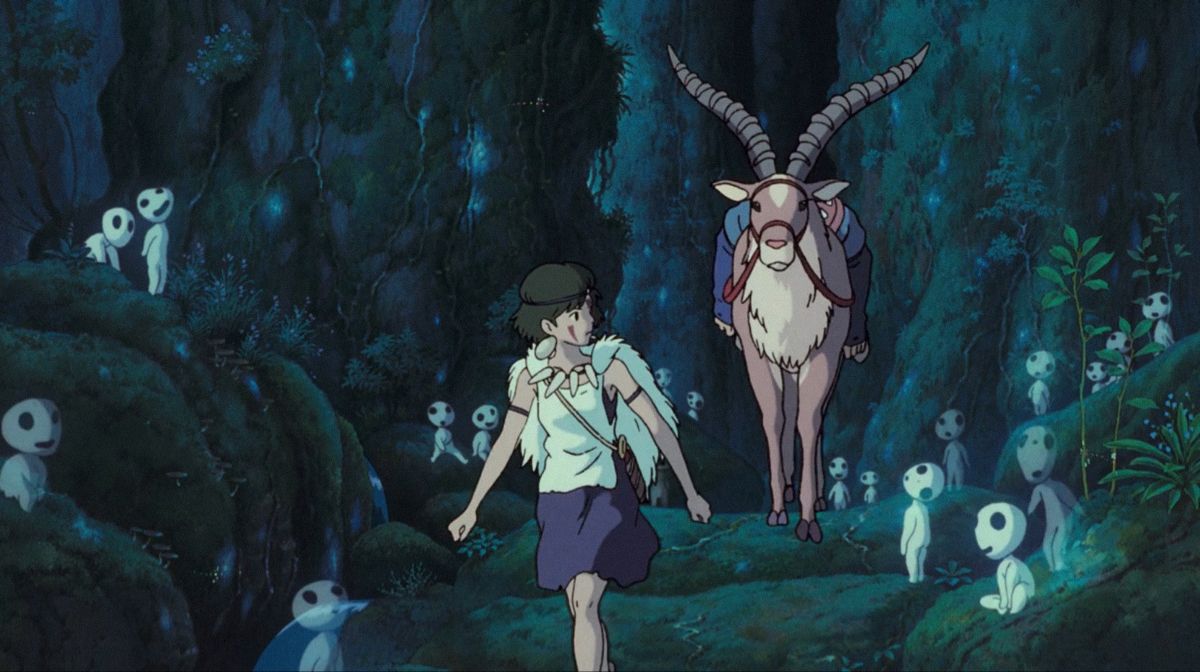
Interestingly, it was the landscapes of Yakushima that inspired director Hayao Miyazaki to create the forest of spirits in the film "Princess Mononoke". Local residents still respect the "kami" — nature spirits which, according to ancient beliefs, reside in the old cedars. It is said that if you stand for a long time at the foot of Jomon-sugi, you can feel a slight tingling in your palms — a sign that the tree is sharing its energy with those who came with good intentions.
💡 What to bring: humidity here is almost 100%. Shiseido Clear Shower Sheet AG+ deodorizing wipes will help save you from that sticky feeling — they refresh your skin in seconds. And after a long trek in the ancient forest, your feet and body will need special care. Fine Japan Night Collagen complex with collagen, vitamins, and GABA for beauty and healthy sleep will support your body from within, helping it recover and ensuring sound sleep to the sound of the Pacific Ocean.
Shirakawa-go Village: A Fairytale in the Gifu Mountains
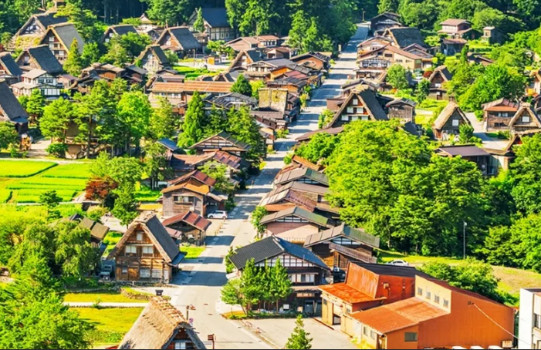
The famous "gassho-zukuri" houses with their steep thatched roofs, designed to withstand tons of snow, look like illustrations from an ancient legend. In winter, illuminated, they float in the darkness, and in summer they are immersed in greenery. This place is a living museum of the traditional way of life.
Shirakawa-go is a UNESCO World Heritage site and is considered one of the few corners of Japan where traditional architecture has been preserved in its original form. The name "gassho-zukuri" means "hands clasped in prayer" — this is exactly what the house roofs look like, resembling the palms of monks in a prayer gesture. These structures were built without a single nail, using only wooden joinery and ropes made from rice straw, making them true masterpieces of folk architecture.
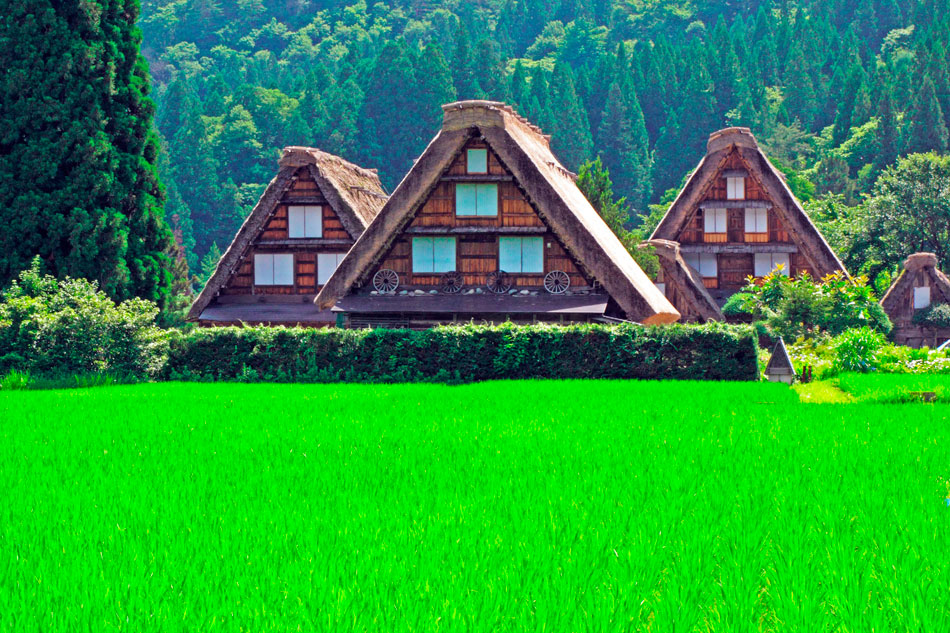
Interestingly, many houses in Shirakawa-go are still owned by families who have lived here for centuries. Inside, you can see old weaving looms, altars, and even sericulture attics where silkworm cocoons were once raised. In winter, the village hosts a light festival, during which the house roofs are illuminated with a soft yellow light — then it seems as if the whole valley comes alive, transforming into a Christmas card. It's no wonder that Shirakawa-go has inspired creators of anime and films seeking to embody "winter Japan outside of time".
💡 Comfort hack: local onsen (hot springs) are a must-visit. After bathing, your skin is especially sensitive. BELULU MoisMist ultrasonic facial moisturizing mist will be your personal source of moisture, creating an ideal microclimate in your ryokan room. And to keep your travel memories fresh, take a Yellow Studio 2-tier lunch box for local treats — it will perfectly preserve the taste of onigiri rice balls.
Shima Peninsula: A Paradise for Lovers of Silence and Sea
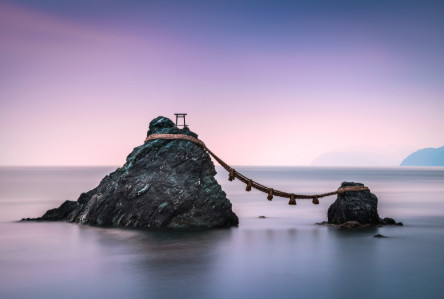
Away from the bustle of Osaka and Nagoya lies the Shima Peninsula with its indented coastline, a shrine dedicated to pearls, and almost deserted beaches. This is the perfect place to contemplate sunsets over the Pacific Ocean.
The Shima Peninsula is often called the "land of the gods", not only because of its peaceful atmosphere. Countless small islets are scattered throughout its waters — some of them are considered sacred. According to Shinto beliefs, kami (spirits) protecting sailors and fishermen inhabit these islands. The most famous among them is Kashikojima Island, which literally means "Ruler Island". An ancient legend is associated with it about a deity who calmed a sea storm and granted people abundant catches. This connection with the sea explains why, several centuries ago, the unique technology of cultivating Akoya pearl was born here in Ago Bay, making the region famous worldwide. Visiting the Pearl Museum in Toba City, you can not only see how these perfect spheres are created but also learn about the "pearl queen" Kokichi Mikimoto, whose perseverance turned local craftsmanship into art.
The peninsula's coast is not only secluded beaches but also a living page of Japanese history. In the bays of Shima, you can still see traditional wooden vessels stylized after the Kurabune ships from the Heian period. And in the town of Shima, the ruins of one of the Kumai-jiro castles ("sea castles") remain, which controlled a strategic sea route during feudal times. For gastronomy lovers, the region offers a unique experience: Ama-san — female shellfish divers whose profession dates back over 2000 years — still harvest oysters, sea urchins, and abalone here. You can try their freshest catch at coastal restaurants, where dishes are often prepared right in front of you over an open flame. A special local delicacy is Ise-ebi (lobster), boiled in seawater and served as a symbol of luxury and connection to the power of the Pacific Ocean. After such a meal, a walk along a deserted beach, where the only sound remains the rustle of the surf, becomes truly meditative.

💡 Gear for relaxation: for a picnic on a deserted shore, a MUJI stainless steel thermos bottle for carbonated drinks is indispensable. You can pour cold green tea or sparkling water into it — it will maintain the temperature and flavor. And for long walks along the coast, a Zojirushi water and isotonic drink thermos with an antibacterial coating will come in handy. To quickly freshen up after sea adventures, keep Shiseido facial cleansing wipes for excess sebum at hand.
Japanese Innovations for Clean Breathing While Traveling
In any journey, especially when visiting ancient forests, mountain valleys, or bustling city quarters, air quality plays a key role. Japanese technology offers elegant solutions for creating a personal space of purity.
In mountain valleys and historical villages, where the air can be saturated with flower pollen, an indispensable companion will be the FUMAKILLA Kafun Ion de Block virus and allergen blocker with hyaluronic acid. This compact device neutralizes up to 99% of viruses and allergens while moisturizing the air around you. You can attach it to your clothing, ensuring protection during walks. Getting such a blocker means taking care to enjoy nature without hindrance
An Oasis in the City: How to Create a Japanese Atmosphere at Home
Not everyone has the opportunity to travel far, but the atmosphere of Japan can be brought into your own home. Have a Japanese movie night, wrapped in a cozy blanket, or meditate over a cup of properly brewed tea.
Your assistants in creating the atmosphere: brew tea in a MUJI insulated mug with lid and measuring scale — it will retain heat and aroma for a long time. Pack your homemade lunch in a stylish MUJI adjustable-height lunch bag . And after a day of cares, take care of your sleep: a Dream two-layer orthopedic memory foam pillow will ensure proper neck alignment and complete rest. And don't forget about everyday essentials: a Aimedia stain remover stick easily handles soy sauce stains on your favorite clothes.
Japan is a country of contrasts, where the ultra-modern coexists with the eternal. Each of these places offers not only impressions but also a lesson in harmony. And who knows, perhaps by ordering one of these practical accessories, you will take the first step towards your future trip to the Land of the Rising Sun or create your own personal corner of Japan right at home. Explore, get inspired, and travel with comfort — both external and internal.
```