
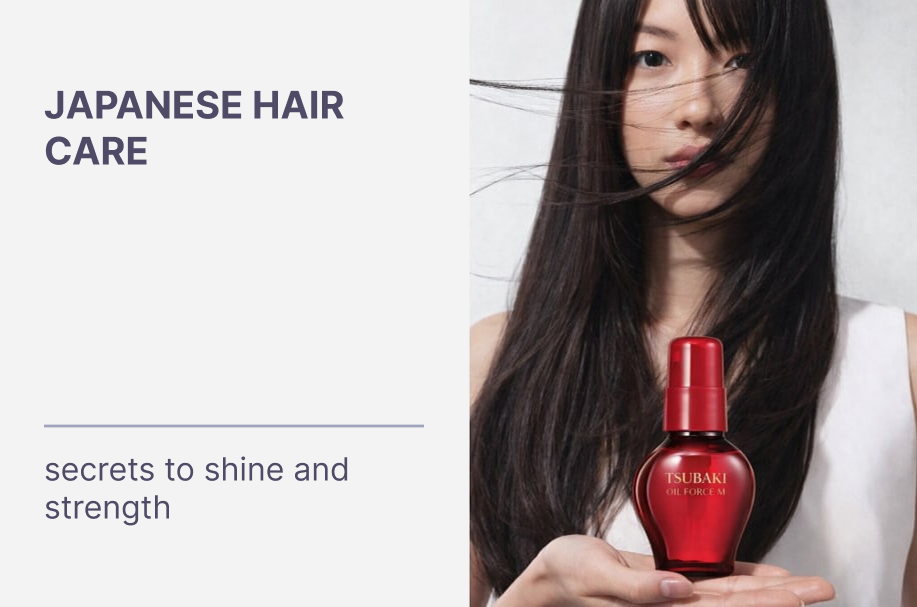
Thick, shiny, and silky hair of Japanese women is not just a result of genetics, but a systematic approach. The core of their care routine lies in a healthy scalp, high-quality products, and daily rituals that can be replicated at home.
The Philosophy of Japanese Hair Care
When we look at Japanese women, it is hard not to notice their hair — smooth, shiny, like flowing silk. The secret isn't expensive salon treatments or unique genes. It's all in the approach.
Japanese hair care is based on three principles:
- Healthy scalp first. Hair grows from the scalp. If the scalp is unhealthy, no masks or oils will yield results.
- Maximum hydration. The entire care process aims to moisturize hair and lock the moisture inside.
- Gentle treatment. No rushing, no aggressive movements. Hair requires delicate handling at all stages: from washing to drying.
📌 Professor Keiko Asakura, a dermatology specialist at Toho University, notes: "The condition of hair directly reflects the overall health of the body. Care must be comprehensive — both externally and internally."
In this guide, we will cover all stages of Japanese hair care, key components of cosmetic products, and the best products available in our catalog.
The Japanese Hair Washing Ritual: 7 Steps to Perfect Hair
In Japan, washing hair is not a five-minute routine, but a full-fledged ritual that can take up to 30 minutes. Every step matters.
Step 1. Brushing before the shower
Everything starts before contact with water. Dry hair should be thoroughly brushed, starting from the ends and gradually moving up to the roots. This helps detangle the strands and provides a light scalp massage.
Why it's important: Wet hair is more fragile and easily damaged when brushed. It's better to remove all tangles beforehand.
For this, Japanese women often use brushes with natural bristles or smooth teeth that do not traumatize the scalp and hair.
Step 2. Scalp massage with oil
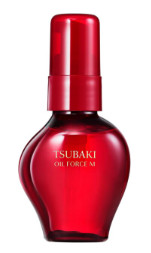
Before applying shampoo, many Japanese women perform a scalp massage with natural oil — most often camellia oil (tsubaki). The oil is applied to dry scalp with gentle massaging movements, paying special attention to the back of the head and crown.
Effects:
- Stimulates blood circulation
- Nourishes and moisturizes the skin
- Normalizes sebum production
- Prepares for cleansing
💡 Important: the oil is applied only to the scalp; there's no need to distribute it along the hair length.
Step 3. Rinse with warm water
Before applying shampoo, hair should be thoroughly rinsed with warm water. This removes some dirt and allows using less shampoo. Water should not be hot — it dries out the skin and makes hair brittle.
Steps 4-5. Double shampooing
Japanese women wash their hair in two rounds:
First wash: shampoo removes surface dirt, dust, and styling product residue. Lather may be minimal this time.
Second wash: shampoo now thoroughly cleanses the scalp, creating a richer lather.
💡 Important technique: shampoo is never applied directly to the head. It is lathered in the palms with a small amount of water and only then transferred to the scalp. This is called the "foam cushion" technique — it prevents hair from being traumatized and dried out.
Lather is applied only to the scalp; the lengths are not scrubbed — it's enough that the lather runs down them when rinsing.
Step 6. Thorough rinsing
Rinsing out shampoo should be even more thorough than applying it. After you think the hair is clean, continue rinsing for another half minute. Shampoo residue can disrupt the scalp's pH balance and weigh hair down.
Step 7. Applying a mask or conditioner
Mask or conditioner is applied only to the hair lengths, avoiding the roots. The scalp doesn't need it, and excess product at the roots can make hair heavy and lack volume.
Leave-in time depends on the product — usually 5-10 minutes if it's not a quick rinse conditioner.
Final touch: Cool water rinse
At the very end, Japanese women rinse their hair with cool water. This seals the cuticle, giving hair shine and smoothness.
Secret Ingredients of Japanese Hair Cosmetics
Japanese shampoos and masks differ from Western ones in their composition. You rarely find aggressive sulfates and heavy silicones here. Instead, natural ingredients that actually work are used.
| Ingredient | Source | Action |
|---|---|---|
| Camellia oil (tsubaki) | Japanese camellia seeds | Moisturizes, softens, adds shine, protects against brittleness |
| Rice water and rice bran extract | Rice | Rich in minerals and amino acids, improves elasticity |
| Keratin | Hydrolyzed protein | Restores structure, fills damage |
| Hydrolyzed silk | Silk fibers | Smooths the cuticle, strengthens |
| Honey | Natural | Antioxidant, humectant |
| Seaweed extracts | Marine algae | Moisturize, saturate with minerals |
Why Japanese Shampoos are Considered the Best
💡 The main advantage of Japanese shampoos is that they do not contain aggressive sulfates (SLS, SLES) and heavy silicones that accumulate on hair and make it sticky. Instead, they use mild amino acid-based cleansing agents that gently remove dirt without disrupting the scalp's protective barrier.
For fine and weakened hair, this is especially important: silicones provide a temporary visual effect but eventually weigh hair down and prevent it from receiving nourishment.
Best Japanese Hair Products: A Product Guide
Our catalog features products that have earned the trust of thousands of women in Japan and beyond.
For intensive repair
Treatment Mask for Damaged Hair SHISEIDO Fino Premium Touch
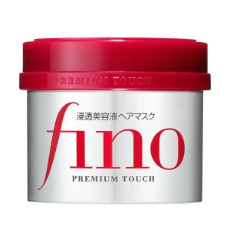
The iconic mask is often called a "salvation for damaged hair". It contains keratin, hyaluronic acid, and oils that penetrate deep into the hair and repair it from within.
Customer reviews:
"I dyed my hair several times, it was completely ruined, I couldn't even use a comb — the hair would break in the middle. Fino saved my hair."
"My hair became silky after using it. People compliment my hair and say it looks healthy."
How to use: use instead of conditioner 1-2 times a week, applying to damp hair for 5-10 minutes.
For fine and weakened hair
Restoring Essence with Keratin and Shea Butter Lebel IAU Essence Forti
A lightweight essence for fine hair that needs repair but cannot tolerate weighing down. Keratin fills damage, shea butter nourishes, and the special formula leaves no sticky film.
Who it's for: people with fine, weakened hair with split ends.
For shine and smoothness
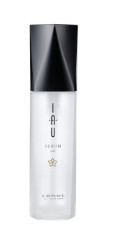
A versatile oil that can be used on both damp and dry hair. Adds mirror-like shine, smoothes, and protects from damage.
How to use:
- On damp hair before drying — for heat protection
- On dry ends — for shine and nourishment
For strengthening and growth
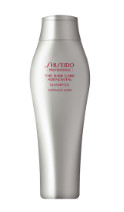
A shampoo from the professional line, designed to strengthen hair and stimulate growth. Contains an adenosine complex that acts on hair follicles.
For whom: for thinning hair, hair loss, age-related changes.
Comprehensive care
Absolute Happiness Hair Complex Lebel IAU PROEDIT CARE WORKS
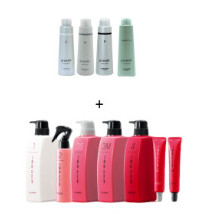
A complete care system that includes everything needed to repair and maintain hair health.
Shiseido TSUBAKI Premium EX Intensive Repair Shampoo
The TSUBAKI line by Shiseido is a classic of Japanese hair care. Camellia oil in the formula makes hair soft, smooth, and incredibly shiny. The "red" line focuses on hydration, the "gold" line on repair and protection.
The Importance of Internal Care: Vitamins for Hair
No external care will yield full results if the body lacks building materials. Hair is 80% keratin protein, the synthesis of which requires vitamins, minerals, and amino acids.
💡 Research: scientists have proven that 34.5% of people experience accelerated hair growth when taking vitamin E for eight months.
Our catalog offers a wide selection of Japanese vitamins for hair growth — from single-ingredient supplements to complex formulas with keratin, cysteine, zinc, and plant extracts.
5 Simple Japanese Habits for Beautiful Hair
1. Daily washing
Japanese women wash their hair every day. This helps remove dead skin cells and prevent dandruff. Using mild amino acid-based shampoos allows this without harming the hair.
2. Microfiber towel
After washing, Japanese women do not rub hair with a towel but gently blot it and wrap in microfiber for 10-15 minutes. This prevents damage to wet hair and overdrying.
3. Rubber scalp brush
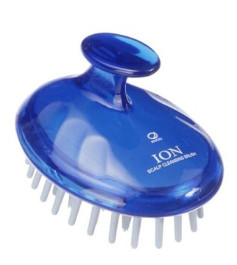
For applying shampoo and massaging the scalp, many use special rubber brushes. They improve blood circulation and ensure better cleansing.
4. Green tea rinse
Green tea infusion (2 tablespoons per liter of boiling water) tones the scalp, reduces oiliness, and adds shine to hair.
5. Silk pillowcase
Sleeping on a silk pillowcase prevents hair tangling, friction, and breakage. Hair stays smooth and shiny.
Expert Opinion
💡 Hair beauty begins from within. External care — shampoos, masks, oils — is important, but without sufficient protein, vitamins, and minerals, hair cannot be healthy. Japanese hair complexes often contain unique components: AnaGain™ pea sprout extract, which has clinically proven effectiveness in stimulating hair growth, easily absorbable keratin, cysteine, zinc. It's important to understand: results take time. Initial improvements can be noticed after 1-2 months of regular intake, and sustainable results after 3-4 months.
Frequently Asked Questions (FAQ)
❓ Can I use Shiseido Fino mask instead of conditioner every day?
Answer: Yes, many use it as a daily conditioner, especially if hair is severely damaged. Applying for 2-3 minutes is sufficient. For prevention, it can be used 1-2 times a week.
❓ Which camellia oil should I choose?
Answer: It depends on your hair type. For fine hair, lightweight oils in serum format (like Lebel IAU Serum Oil) are better suited. For dry and coarse hair, denser oils can be used. A versatile option is pure camellia oil.
❓ Do I need to rinse out camellia oil?
Answer: If you use the oil for massage before washing — yes, it needs to be rinsed out with shampoo. If applied to damp or dry hair as a styling product — no need to rinse.
❓ At what age can I use hair vitamins?
Answer: Specialized hair complexes are generally recommended for adults. If needed during adolescence, it's better to consult a doctor.
❓ How long should I take hair vitamins?
Answer: Typically, a course lasts 1-3 months. Courses can be repeated if needed. Remember that hair grows slowly, and for a new, healthy strand to grow the full length, time is needed.
❓ Do Japanese shampoos help with hair loss?
Answer: Shampoos can help strengthen hair and reduce loss by improving scalp condition and nourishing roots. But for serious hair loss, a comprehensive approach is needed: proper care, internal vitamins, and consultation with a specialist.
❓ Where to buy authentic Japanese hair products?
Answer: Our catalog features only authentic Japanese products with direct supplies from manufacturers. We guarantee the authenticity and freshness of every product.
Hair Beauty is a System, Not a Coincidence
The secret of Japanese women's luxurious hair is not a single miracle product, but a system:
- Proper washing with gentle amino acid-based shampoos
- Regular care with masks and oils
- Quality tools (brushes, towels)
- Internal support with vitamins and balanced nutrition
- Daily rituals that don't take much time but yield sustainable results
💡 The Japanese approach to hair care is not about heroic efforts, but about calm, regular care. And this approach is accessible to everyone.
📌 This article is for informational purposes only. It is recommended to consult a physician before starting any dietary supplements.