
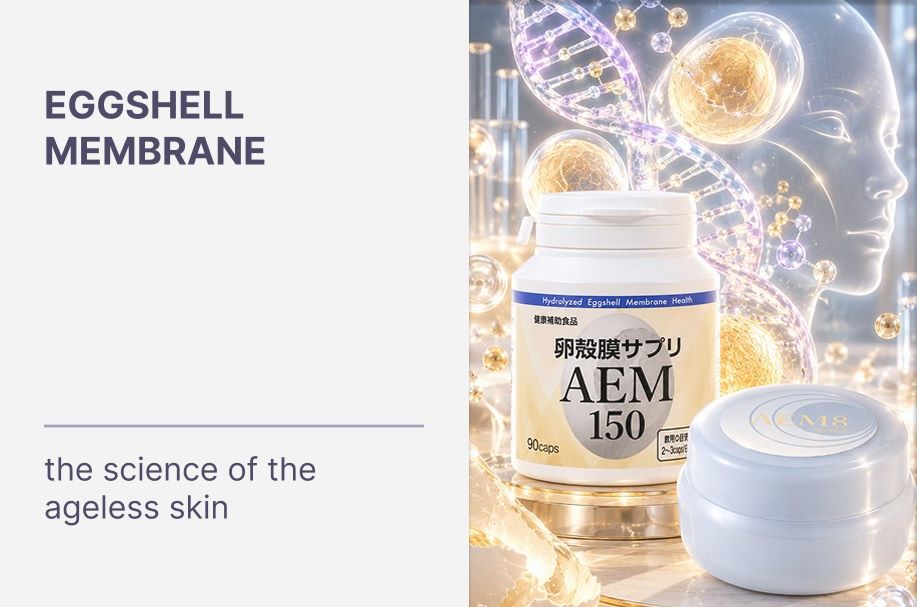
After the age of 45–50, the skin changes not only in appearance. It becomes thinner, recovers slower, has a harder time retaining moisture, and a regular cream may no longer be enough to relieve dryness and the loss of firmness. The facial contour becomes less defined, and that characteristic “parchment-like” dryness appears, which can be difficult to address with just another layer of moisturiser.
The main reason may be the changes to the extracellular matrix – a kind of structural framework surrounding the skin cells. It contains collagen, elastin, hyaluronic acid and other structural molecules that determine the density and elasticity of the skin and its ability to retain moisture.
That is why modern care for mature skin 50+ is more often build on the principle of Holistic Beauty: nutrients that support the body from within, while skincare works directly on the surface of the skin.
Eggshell Membrane: Why Has It Attracted the Attention of the Japanese Anti-Aging Industry?
In the search for answers to the question of how to support the extracellular matrix, Japanese researchers and developers have turned their attention to an unusual natural ingredient – the extremely thin membrane between the eggshell and the egg white.
Eggshell Membrane (EM) contains a complex of proteins and amino acids, including cysteine. The membrane also contains structural compounds associated with the natural organization of connective tissue.
After hydrolysis, large protein structures are broken down into smaller fragments. This is why hydrolyzed eggshell membrane in cosmetics and nutraceuticals is viewed not simply as another form of common collagen, but as a distinct multi-component ingredient.
Important: Eggshell membrane does not “replace” the skin’s collagen and does not directly rejuvenate skin cells. Interest in this ingredient is caused by its unusual composition and research into the effects of its components on the condition of the skin and connective tissue.
Enzym: Japanese Biotechnology Instead of a Single Ingredient
Japanese cosmeceutical brand Enzym takes a distinctly comprehensive approach. Rather than focusing exclusively on collagen, the brand uses eggshell membrane components in combination with other substances commonly included in mature-skin care programs. This becomes particularly interesting after the age of 45, when loss of skin firmness and elasticity is often accompanied by dryness, changes in skin turgor, and slower visible recovery after environmental or physical stress.
AEM150: Supporting Beauty from Within
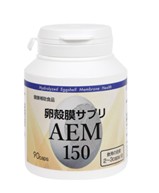
Enzym AEM150 is part of the category of Japanese dietary supplements built around hydrolysed eggshell membrane.
You often come across the phrase “type III collagen for skin” while browsing online. Type III collagen is indeed one of the components of connective tissue. However, a capsule does not deliver ready-made “young collagen” directly to the face. After consumption, protein components undergo digestion and become part of the body’s overall amino acid metabolism.
It is therefore more accurate to view the high-tech Enzym AEM150 complex as part of a balanced diet aimed at supporting the skin and connective tissue.
This approach may be particularly relevant if you are simultaneously concerned about:
- dryness and reduced skin turgor;
- age-related changes in skin density;
- the condition of your hair and nails;
- increased stress on the joints.
It is precisely this comprehensive approach that distinguishes the nutraceutical concept from the idea of “taking a capsule and erasing wrinkles”. The search for Enzym AEM150 makes more sense as part of a consistent anti-ageing routine rather than as a search for an instant solution.
AEM8 Cream: When Internal Support Is Combined with Skincare
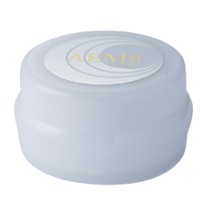
The second part of the strategy is choosing the right skincare products.
Enzym AEM8 Cream combines eggshell membrane components with peptide-based and moisturizing care. Peptides are particularly interesting to modern cosmetology as signaling components, which is why Japanese peptide creams have become an established part of mature-skin care routines.
AEM8 Cream is primarily suited to mature, dry and dehydrated skin that lacks softness and a comfortable feeling of plumpness. It may also be of interest to sensitive skin prone to discomfort and redness around the nose, although it is always sensible to test any new product on a small area first.
The main cosmetic benefit of this type of skincare can be noticed much sooner than any structural age-related changes: effective hydration can visibly smooth the skin’s micro-relief, make it look more plump, and the satin finish allows the cream to work comfortably as a base under light makeup.
This is why reviews of Enzym AEM8 Cream often feature comments from women experiencing pronounced skin dryness.
Levels of Support for Mature Skin
| Care Level | Key Component | What It Targets | Product |
| From Within | Hydrolysed eggshel membrane | Nutraceutical support for skin and connective tissue | Enzym AEM150 |
| Daily Care | Eggshell mebraine + peptides | Hydration, skin density, smoothness and skin barrier support | Enzym AEM8 Cream |
The “Inside + Out” Approach: How to Build Your Routine
The optimal strategy is relatively simple:
- From within: Enzym AEM150 as part of a nutraceutical approach to supporting your diet
- Skincare: AEM8 Cream for daily moisturising and peptide-based care.
This is not a promise of instant new collagen production. Rather, it is a thoughtful system in which nutrition, skin-barrier support and beauty components each work at their own level.
What Users Say After a Course of Care
"After 50, my skin became very dry, especially around my nose and on my cheeks. I took AEM150 as a course and used AEM8 morning and evening. What I liked most was how my skin felt: it looked more nourished, and the cream never felt sticky or like something I wanted to wash off. It also sits beautifully under foundation."
"I used AEM8 all over my face. I particularly liked the effect: in the morning, my skin looked visibly smoother and more cared for. I wasn't expecting miracles in a week – I prefer to judge a skincare routine by how my skin feels and looks over several months."
FAQ: What to Know Before Starting
1. Can I take AEM150 together with iron or selenium?
The presence of eggshell membrane does not automatically mean that it is incompatible with these minerals. However, when taking several supplements at the same time, it is important to consider the full list of ingredients, dosages and any medications you are taking. If iron has been prescribed by your doctor, do not change your prescribed regimen without consulting them.
2. Is AEM8 suitable for combination skin?
Even combination skin after 45–50 can experience a lack of hydration. It is reasonable to apply a thinner layer to the T-zone and a more generous layer to drier areas. If your skin is prone to breakouts, pay attention to your individual response.
3. How should I apply AEM8 Cream?
Apply to cleansed skin after water-based serums or lotion. Use a small amount and gently distribute it over the face and neck without vigorous rubbing. In the morning, finish your routine with sunscreen.
4. Can I use AEM8 together with a retinol cream?
Yes, but sensitive skin does not necessarily need multiple active ingredients layered at the same time. You can use the products at different times or on different areas, and introduce retinol gradually.
Don't Fight Aging - Change Your Skincare Strategy
After 50, your skin rarely needs yet another “strongest” cream. What matters more is understanding what is happening with its barrier, hydration levels and extracellular matrix.
The Japanese Enzym approach is interesting precisely because of this: AEM150 provides nutraceutical support from within, AEM8 works as part of your daily skincare routine.
And perhaps this is quintessentially Japanese: rather than promising to make skin look twenty again, the focus is on consistently helping it look firm, calm, hydrated and well cared for at every age.