

Immerse yourself in the unique culture of Japan! This article gathers the most interesting and surprising facts about Japanese traditions, etiquette, and modern life. Discover more about the Land of the Rising Sun.
Japan is a country where the future meets the past, and technological progress coexists harmoniously with ancient traditions. Many tourists bring home only cursory impressions from their trips. We invite you to dig deeper and uncover the real Japan through its unique and sometimes unexpected cultural traits.
1. Bows (Ojigi) — a whole science
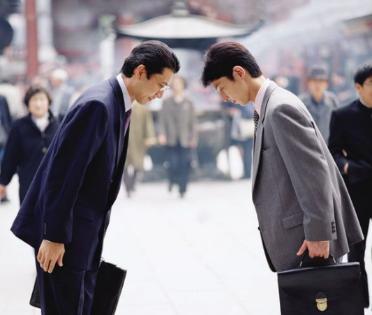
In Japan, a bow is not just a nod. Ojigi is a complex system of nonverbal communication. The depth and duration of a bow depend on social status, age, and situation. A 15° bow is for informal greetings, 30° for polite encounters, and 45° or more for deep respect or apology. Japanese people learn this art from childhood.
2. “Banzai!” — more than just a shout

You’ve probably heard this exclamation in movies. But what does it mean? The phrase “Banzai!” (万歳) literally means “10,000 years.” It’s a wish for longevity and prosperity, similar to “Hurrah!” or “Long live!”. Traditionally, it’s shouted three times at celebrations, such as the Emperor’s Birthday or weddings.
3. Number Four — the number of death

In Japan, as in China and Korea, there is tetraphobia — a fear of the number four. This is because the characters for “four” (四 - shi) and “death” (死 - shi) are pronounced the same. Thus, you’ll often find no fourth floor or room number with 4 in it in hospitals, hotels, and apartment buildings. It’s replaced by the letter “F” or skipped entirely.
4. Working to exhaustion — a social issue
The term karoshi (過労死) literally means “death from overwork.” Workaholism in Japanese corporate culture is a serious social problem that sometimes leads to tragic outcomes. The government is fighting it, but the issue remains deeply rooted.
5. The oldest operating hotel in the world is in Japan
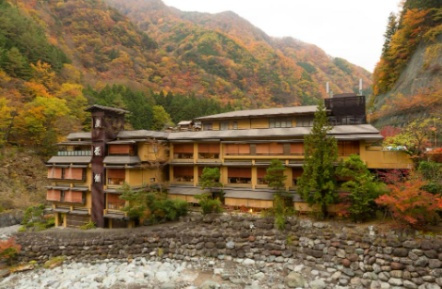
Founded in 705 AD, the ryokan “Nishiyama Onsen Keiunkan” in Yamanashi Prefecture has been in continuous operation for over 1,300 years — recognized by the Guinness World Records. It has been passed down within the same family for 52 generations! A striking example of Japan’s dedication to tradition and impeccable hospitality.
6. Slurping while eating — a compliment
While slurping at the table is considered rude in Europe, in Japan, when eating noodles (especially ramen or udon), it’s not only acceptable but encouraged. It shows the chef that the food is delicious and you’re enjoying it. Silence, on the other hand, may be seen as a sign that you didn’t like the dish.
7. Japan has one of the lowest immigration rates in the world
Despite globalization, Japan remains one of the most ethnically and culturally homogeneous countries. Foreigners make up only about 2% of the population. This is due to the historical isolation (sakoku) during the Edo period and strict immigration policies that have only recently started to ease.
8. Christmas in Japan — a romantic holiday

For most Japanese, who are not Christians, Christmas is not a family but rather a romantic holiday, similar to Valentine’s Day. Couples go on dates, exchange gifts, and enjoy a traditional dinner of cake and… fried chicken from KFC! Reservations for “Christmas buckets” start months in advance.
9. Tipping is not customary in Japan
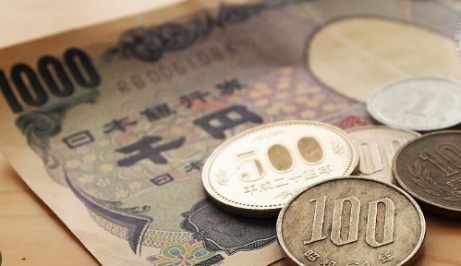
Trying to leave a tip in Japan may lead to confusion. It’s not customary and can even be seen as offensive since the service charge is already included, and perfect service is expected. If you wish to show special appreciation, do it with a small, beautifully wrapped gift instead of money.
10. The huge voice acting industry
Seiyuu — that’s what voice actors are called in Japan. They are true celebrities with massive fanbases. The profession is highly respected and competitive. Besides voicing anime and games, many seiyuu sing, host shows, and perform live like pop idols.
11. The Crying Sumo Festival
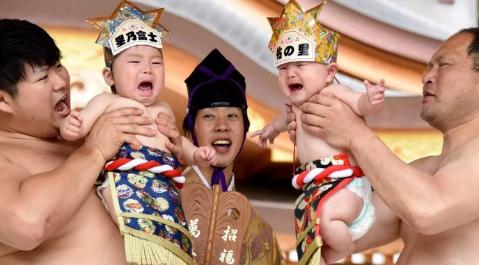
At the annual Nakizumo or “Crying Baby Festival,” parents hand their infants to sumo wrestlers, whose task is to make the babies cry as loudly and quickly as possible. According to tradition, a baby’s cry wards off evil spirits and ensures good health and strength.
12. “Kawaii” — more than just “cute”
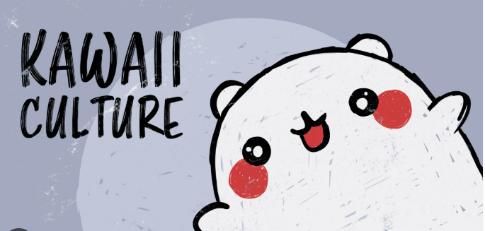
The word kawaii (可愛い) has gone global, but in Japan its meaning is much deeper. It’s a cultural and aesthetic concept that permeates all areas of life — from government documents with mascots to the design of police stations. “Kawaii” is a socially approved way of communication, symbolizing innocence, purity, and cheerfulness.
13. The cult of cleanliness and the absence of trash bins
You’ll be surprised by how few public trash bins there are in Japan — and how spotless the streets are. This is due to a strict waste-sorting system and deep respect for public space, instilled from childhood. Japanese people often take their trash home to dispose of it properly.
14. Coming of Age Day — an important holiday
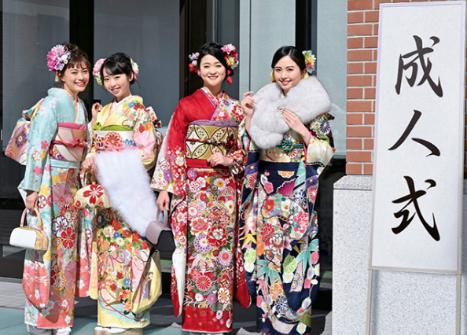
On the second Monday of January, the Japanese celebrate Seijin no Hi — Coming of Age Day. Everyone who turned 20 in the past year dresses in traditional attire (furisode kimono for women, haori and hakama for men) and attends official ceremonies, receiving congratulations and advice from elders.
15. The Legend of the 47 Ronin — a national code of honor
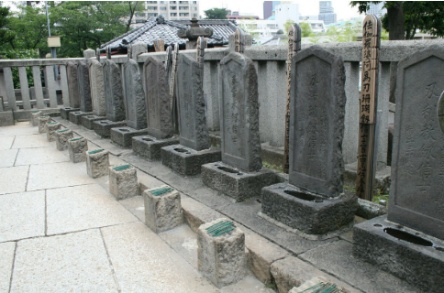
The true story of 47 samurai who avenged their master’s death in the 18th century before committing ritual suicide (seppuku) is a cornerstone of Japanese culture. It embodies the ideals of loyalty (chūgi), duty, and self-sacrifice. Every Japanese person knows this story from childhood.
16. Japanese etiquette
Understanding Japanese etiquette is essential when choosing a gift for friends or loved ones from Japan. There are strict rules: gifts must be beautifully wrapped, and the act of giving should include humble phrases. It’s not just about what you give, but how you give it. If you’re looking for inspiration, we will be glad to help you. Remember, in Japan, it’s not the price that matters, but the thoughtfulness and symbolic meaning of the gift.
The culture of Japan is an endless well of wisdom, beauty, and paradoxes. Each of these facts is just a small piece of the great mosaic that can only be truly understood by immersing yourself in it completely.