

The Most Important Holiday in the Land of the Rising Sun
According to a Japanese saying, "New Year is the time when everything begins anew." While Christmas remains the main winter holiday in America and Europe, in Japan all the festive energy centers around O-shōgatsu - the New Year. According to cultural experts, this is not just a calendar event but a deeply philosophical ritual of cleansing and renewal that has been carefully preserved for centuries.
📌 Interesting Fact: Until 1873, Japan followed the lunar calendar and celebrated the New Year simultaneously with China. After the Meiji Restoration, the country switched to the Gregorian calendar, but many traditions have preserved their authenticity. According to surveys, for 95% of Japanese, New Year remains the most important family holiday, even more significant than birthdays.
Preparation for the Holiday: Big Cleaning and Decorations
-
O-sōji - Ritual Cleansing
Several days before December 31, every house undergoes o-sōji - a big cleaning. Experts in Japanese culture explain that this is not just cleaning but a symbolic cleansing of everything old, negative, and unnecessary. The house must greet the New Year clean, so old items are thrown away, windows are washed, and altars are tidied up.
As bloggers living in Japan say: "O-sōji is something incredible! Everyone, from schoolchildren to company directors, participates in the cleaning. In offices, it becomes almost a meditative practice".
-
New Year's Decorations: Kadomatsu, Shimenawa, and Mochibana
The three main decorations appear at the entrance to every house and office:
-
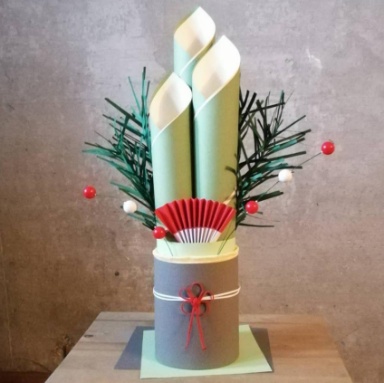
Kadomatsu - a composition of bamboo, pine, and plum, which, according to Shinto beliefs, invites the New Year's deity into the home
-
Shimenawa - a sacred rope made of rice straw, marking the boundary between the sacred and the secular
-
Mochibana - a decoration made of rice cakes (mochi) and mandarins, symbolizing prosperity
📌 Curious Detail: Traditionally, decorations are put up on December 13 and taken down on January 7 – this period is called "matsu-no-uchi" (inside the pine).
Culinary Traditions: O-sechi Ryori and Mochi
O-sechi Ryori — New Year's Feast
The most anticipated gastronomic event is o-sechi ryori, a set of festive dishes prepared in advance and eaten during the first three days of the year. According to chefs, each ingredient has a symbolic meaning:
-
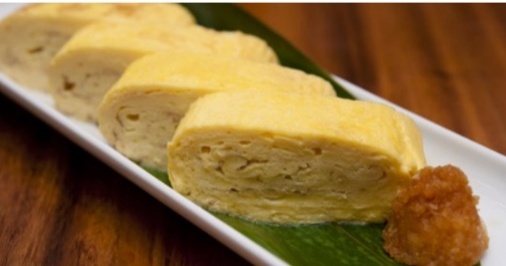
Datomaki (rolled omelet) - a symbol of learning and culture
-
Kabamoko (fish paste) - sunrise (due to its pink and white colors)
-
Kurikombo (chestnuts in syrup) - success in business
-
Kazunoko (herring roe) - fertility and prosperity for the family
📌 Interesting Fact: Modern Japanese often order ready-made o-sechi sets from department stores or restaurants. According to statistics, about 70% of families no longer prepare it themselves, but buy at least some of the dishes.
Mochi - More Than Just a Dessert
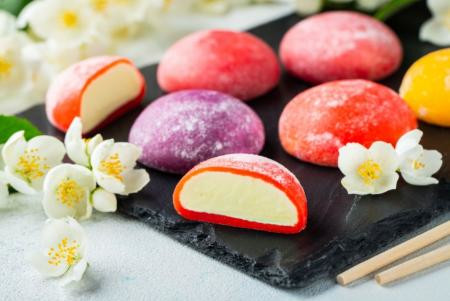
Making mochi (rice cakes) is a whole ritual. Traditionally, men pound hot rice with special wooden mallets, while women flip the mass. The resulting cakes are stacked into a kagami-mochi pyramid, which is broken on January 11 during the kagami-biraki ceremony.
📌 Important to Know: Mochi is not only a treat but also a talisman. It is given as a wish for health and longevity.
New Year's Eve: Temple, 108 Strikes, and the First Smile
Joya-no-kane - 108 Strikes of the Bell
At midnight, Buddhist temples across Japan ring their bells 108 times. According to Buddhist teachings, this symbolizes the cleansing of 108 worldly passions that hinder enlightenment. According to tourists' reviews, this is one of the most poignant moments of New Year's Eve – the sound of the bell echoes in the cold air, creating an atmosphere of special solemnity.
Hatsumode - The First Temple Visit
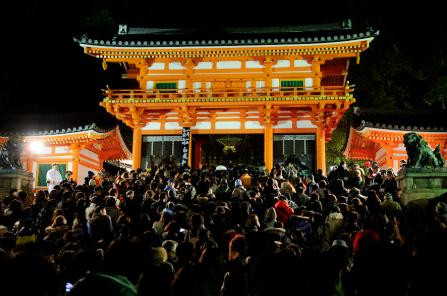
From January 1 to 3, Japanese people visit Shinto shrines or Buddhist temples for hatsumode – the first visit of the New Year. The most popular places include:
-
Meiji Jingu in Tokyo (receiving about 3 million people)
-
Fushimi Inari in Kyoto
-
Tsuruoka Hachimangu in Kamakura
📌 Advice from the Experienced: Many buy omikuji – fortune slips, and hamaya – sacred arrows, which bring good luck.
Hatsuhinome - The First Smile
On the morning of January 1, it is customary to give each other the "first smile" of the year. Psychologists note that this tradition creates a positive mood for the whole coming year.
Modern Traditions and Entertainment
New Year's Postcards (Nengajo)
According to Japanese tradition, you must send postcards to everyone you interacted with during the past year.
📌 Amazing Fact: The Japanese Post guarantees the delivery of nengajo exactly on January 1, for which they hire temporary workers and organize special logistics.
Kohake - New Year's Gift Sets
In December, department stores turn into a kingdom of kohake - gift sets, which companies give to employees, and people give to relatives. The most popular sets include:
-
Premium Products (tea, coffee, delicacies)
📌 Speaking of Cosmetics: New Year's cosmetics are one of the most coveted gifts. Many limited editions are released specifically in December.
Television Traditions
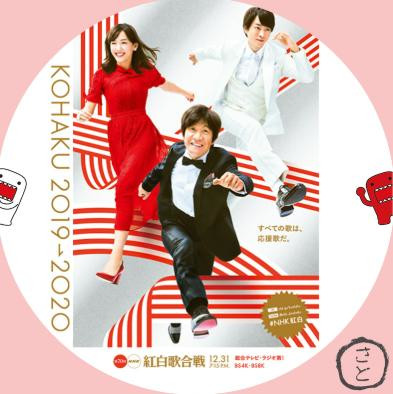
On the evening of December 31, it is time for "Kohaku Uta Gassen" (the Red and White Song Contest), which is watched by about 40% of the population. According to sociologists, this show has become as integral to the holiday as o-sechi ryori.
Children's Traditions and Gifts
Otoshidama - Money Gifts
Children receive otoshidama - money in special envelopes. According to surveys, the average amount for a younger student is 3000-5000 yen (about 2000-3500 rubles).
Games and Entertainment
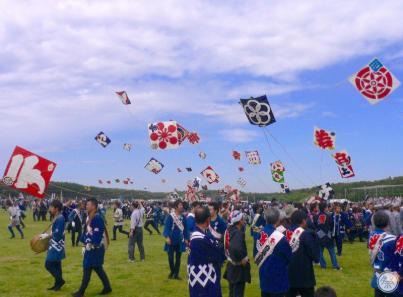
Traditional New Year's games include:
-
Hanetsuki (shuttlecock game)
-
Takoage (flying kites)
-
Sugoroku (board game)
New Year's Cuisine in Our Lives: Bringing the Spirit of Japan to Your Home
While not everyone has the opportunity to prepare a full o-sechi ryori, some elements of the Japanese New Year's table are accessible to anyone:
Simple ideas:
-
Make o-zoni - a soup with mochi, traditionally eaten on the morning of January 1
-
Brew special tea - Japanese green tea perfectly complements the festive mood
-
Try Japanese sweets
📌 By the way, many Japanese products for the festive table can be ordered from specialized stores, including high-quality green tea, exquisite sweets, and even ready-made components for New Year's dishes.
What Happens After New Year's?
"Seven Herbs" on January 7
On January 7, the Japanese eat nanakusa-gayu - a porridge with seven spring herbs, which gives the digestive system rest after the festive excesses.
Modern Paradox
📌 Interesting Observation: Although New Year's is a family holiday, many young Japanese spend it with friends or travel. According to statistics, about 30% of Tokyo residents leave the city during the New Year holidays.
From New Year to Other Holidays: The Japanese Calendar of Gifts
After completing one festive cycle, the Japanese are already thinking about the next. Traditionally, February and March mark two more important events, which they prepare for in advance:
Valentine's Day (February 14)
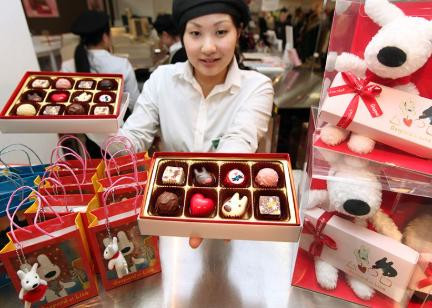
In Japan, this holiday has a unique feature: only women give chocolate to men. Moreover, there are several types:
-
Giri-choko ("obligatory chocolate") - for colleagues and acquaintances
-
Honmei-choko ("chocolate with feelings") - for loved ones
As market research shows, Japanese producers create special chocolate and cosmetics collections for this day, which become bestsellers.
Hina Matsuri (March 3) and White Day (March 14)
Hina Matsuri, or Doll Festival, is dedicated to girls, and 10 days later comes White Day, when men respond to gifts received on Valentine's Day.
For those who want to make a truly Japanese gift, there is a great opportunity to choose something special – from exquisite sweets to skincare cosmetics.
The Philosophy of Renewal, Accessible to Everyone
New Year in Japan is not just a holiday but a whole philosophy based on respect for traditions, attention to detail, and striving for harmony. As cultural experts note, many elements of this tradition can enrich our holidays:
-
The idea of cleansing before a new beginning
-
Attention to symbolism in food and decorations
-
Balance between tradition and modernity
The most beautiful thing is that you can touch the magic of the Japanese New Year even from afar – through cuisine, aesthetics, or studying traditions. And for those who want to take the next step, there's always the opportunity to order authentic Japanese goods that will bring a piece of the Land of the Rising Sun into your home.
As a Japanese proverb says, "The year begins with the first step." May your New Year be filled with harmony, beauty, and pleasant discoveries!
Want to learn more about Japanese traditions or find the perfect gift for the holiday? Explore our blog and catalog – here you will find the best products and knowledge about Japan, verified by time and experts.