

💡 Japan ranks first in the world for healthy life expectancy. The secret isn't just in the fish and rice, but also in the culture of preventive vitamin and supplement intake. Let's break down which nutrients the Japanese choose, how to take them correctly, and what to combine them with.
Why Japanese People Take Vitamins Even When They're Not Sick
According to a study published in the journal BMC Nutrition in September 2024, about one-third of Japanese adults (31%) regularly consume fortified foods and/or dietary supplements. This is not a coincidence, but part of the national culture of health care.
Dr. Minami Sugimoto from the Faculty of Medicine at Toho University, the lead author of the study, explains: "Consumers of fortified foods and dietary supplements get more vitamins and minerals from their main diet. This contributes to adequate intake of certain nutrients."
📌 The key principle of the Japanese approach is the concept of ME-BYO (mibyō) , or the "state between health and illness." The Japanese believe it's better to notice and correct an imbalance at an early stage than to treat a fully developed disease. Vitamins and supplements here are a tool for prevention, not treatment.
A 2009 study published in the journal VITAMINS, led by Sayori Wada and Professor Toshikazu Yoshikawa, confirmed that dietary supplements can play an important role in preventing age-related diseases due to their antioxidant activity, suppression of cell proliferation, and anti-atherogenic effects.
Key Vitamins and Minerals: What They Do and How to Combine Them
Vitamin D — The Sunshine Shield
Why it's needed:
Vitamin D is involved in calcium absorption, supports immunity, reduces the risk of chronic inflammation, and plays a role in preventing infectious diseases.
✔️ Japanese realities:
Despite the abundance of fish in the diet, vitamin D deficiency occurs in Japan as well, especially among office workers who rarely get sun exposure.
What to combine it with:
- Ideal: with calcium (enhances absorption) and vitamin K2 (directs calcium to bones, not arteries)
- Good: with omega-3 (fat-soluble vitamin D is better absorbed with fats)
When to take: with a meal containing fats (breakfast or lunch).
Omega-3 Fatty Acids — Heart and Brain Protection
Why they're needed:
Docosahexaenoic acid (DHA) and eicosapentaenoic acid (EPA) support cardiovascular function, improve cognitive function, and have anti-inflammatory effects.
✔️ Japanese context:
The Japanese get omega-3 from fresh fish, but supplements remain popular for those who eat fish less than 3-4 times a week.
What to combine them with:
- Ideal: with vitamin D and coenzyme Q10 (synergy for heart health)
- Not recommended: to take simultaneously with blood-thinning medications without consulting a doctor
When to take: with food for better absorption.
Vitamin C — Antioxidant No. 1
Why it's needed:
Vitamin C is involved in collagen synthesis, strengthens immunity, protects against oxidative stress, and improves iron absorption.
Forms in Japanese supplements:
- L-ascorbic acid (fast-acting, but may irritate the stomach)
- Magnesium ascorbyl phosphate (gentle, sustained-release)
- Liposomal vitamin C (maximum bioavailability)
What to combine it with:
- Ideal: with bioflavonoids (enhance absorption), vitamin E (antioxidant synergy)
- Good: with hyaluronic acid (collagen synthesis)
- Caution: with high doses of iron (vitamin C increases iron absorption, which may be undesirable in cases of iron overload)
When to take: in the morning or afternoon (vitamin C can be invigorating), with or after food.
B Vitamins — Energy and Nervous System
The team of B vitamins:
- B1 (thiamine) — energy from carbohydrates
- B2 (riboflavin) — health of skin and mucous membranes
- B6 (pyridoxine) — energy from protein, neurotransmitter synthesis
- B12 and folic acid (B9) — red blood cell formation, nervous system function
What to combine them with:
- All together: B vitamins work like an orchestra; it's best to take them as a complex
- With magnesium: B6 improves magnesium absorption
- Do not combine: with alcohol (reduces absorption)
When to take: in the morning (they provide energy) with food.
Calcium — The Foundation of Bones
Why it's needed:
Formation and maintenance of bone density, muscle function, nerve conduction.
✔️ Japanese context:
Due to low consumption of dairy products, the Japanese often get calcium from fish with bones (sardines, small fish) and supplements.
What to combine it with:
- Ideal: with vitamin D (transports calcium to bones) and vitamin K2 (directs it to bone tissue)
- Not recommended: simultaneously with iron and zinc (they compete for absorption) — take 2-3 hours apart
- Caution: with large doses of magnesium (can reduce calcium absorption)
When to take: in the evening (calcium is more easily absorbed at night and promotes muscle relaxation).
Vitamin E — Protection of Cell Membranes
Why it's needed:
A powerful fat-soluble antioxidant, protects cells from oxidation, supports skin and vascular health.
What to combine it with:
- Ideal: with vitamin C (regenerates oxidized vitamin E, prolonging its effect)
- Good: with selenium (antioxidant synergy)
- Do not combine: with blood-thinning medications (vitamin E enhances their effect)
When to take: with a meal containing fats.
Squalene, Spirulina, and Fucoidan — The Ocean Inside the Japanese
💡 The Japanese don't limit themselves to classic vitamins. Unique marine components have been part of their diet for centuries, and today they are available in the convenient form of capsules and powders.
Squalene — The Oxygen Reserve
What it is:
Squalene is a natural hydrocarbon first isolated from the liver of deep-sea sharks. Its structure is similar to human sebum and it plays a key role in saturating cells with oxygen.
Why it's needed:
- Improves oxygen delivery to tissues and organs
- Powerful antioxidant protecting cells from damage
- Involved in the synthesis of hormones and vitamin D
- Supports immunity and accelerates regeneration
✔️ How it's taken in Japan:
Japanese squalene is considered the gold standard of purity. It is obtained from the liver of sharks inhabiting the cold waters off the coast of Hokkaido. It is taken in courses to support energy and protect against age-related changes.
What to combine it with:
- Ideal: with coenzyme Q10 (enhance antioxidant protection and cellular energy)
- Good: with omega-3 (additional support for heart and blood vessels)
- Caution: thins the blood — do not combine with similar medications without consulting a doctor
When to take: with a meal containing fats, preferably in the morning.
Spirulina — A Complete Nutritional Complex
What it is:
A blue-green microalgae called a superfood for its unique composition. In Japan, spirulina is popular as a natural source of protein, vitamins, and minerals.
Why it's needed:
- 60-70% protein with a full range of amino acids
- Iron in an easily absorbable form (anemia prevention)
- Gamma-linolenic acid for hormonal balance
- Phycocyanin — a powerful antioxidant protecting liver cells
✔️ How it's taken in Japan:
The Japanese choose spirulina to replenish energy, support immunity, and for detox. It is taken in courses during periods of high stress or as a permanent dietary supplement.
What to combine it with:
- Ideal: with chlorella (synergy for detox)
- Good: with vitamin C (improves iron absorption)
- Not recommended: simultaneously with high doses of iron (spirulina itself contains a lot of iron)
When to take: with food, preferably in the first half of the day for energy.
Fucoidan — Immunity from Seaweed
What it is:
A unique polysaccharide found in brown algae (mozuku, kombu, wakame). The inhabitants of Okinawa — a region with the highest concentration of centenarians — have been eating it with seaweed for centuries.
Why it's needed:
- Activates innate immunity through the maturation of dendritic cells
- Possesses antiviral and antibacterial activity
- Supports liver and kidney function
- Slows down aging processes and protects against glycation
✔️ How it's taken in Japan:
Fucoidan from Okinawan mozuku is considered the gold standard. It is taken in courses to strengthen immunity, especially during cold and flu season, and for the prevention of age-related changes.
What to combine it with:
- Ideal: with kelp (additional iodine and alginates)
- Good: with vitamin D (enhance immune protection)
- Can be with: most vitamins; fucoidan combines well with other supplements
When to take: regardless of food, but preferably with a meal for comfort.
Comparative Table of Marine Components
|
Component |
Source |
Main Action |
What to Combine With |
Time of Intake |
|
Squalene |
Shark liver |
Oxygen, antioxidant, regeneration |
Q10, omega-3 |
With a meal in the morning |
|
Spirulina |
Algae |
Protein, iron, energy |
Chlorella, vitamin C |
With a meal in the morning |
|
Fucoidan |
Brown algae |
Immunity, protection against aging |
Kelp, vitamin D |
With a meal |
What Not to Combine: Incompatible Supplement Combinations
Incompatibility Table
| Component A | Component B | Why Not | Interval |
| Calcium | Iron | They compete for absorption in the intestines | 2-3 hours |
| Calcium | Zinc | Zinc reduces calcium absorption | 2-3 hours |
| Iron | Green tea / coffee | Tannins and caffeine block iron absorption | 1-2 hours before or after |
| Magnesium | Calcium (high doses) | They can compete | 2 hours |
| Vitamin E | Blood thinners | Enhances the effect of medications | Only with a doctor |
| Zinc | Copper | High doses of zinc suppress copper absorption | Dosages are accounted for in balanced complexes |
Best Japanese Vitamins: Product Examples
Comprehensive Approach: Multivitamins
HULX-FACTOR Multi Vitamin & Mineral Complex
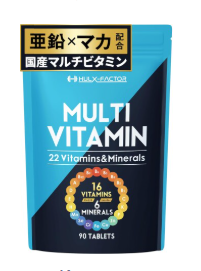
A balanced formula including key vitamins and minerals for daily body support. Suitable for those who want to meet basic needs without complex regimens.
How to take: according to the manufacturer's instructions, usually 1-2 capsules per day with a meal.
Vitamin C in a Convenient Form
Rohto The Lypo Vitamin C Deep Powder with Hyaluronic Acid
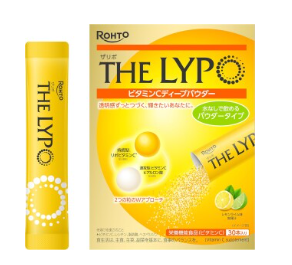
Combines two forms of vitamin C (fast-acting and sustained-release) with hyaluronic acid for comprehensive skin and immune support.
How to take: dissolve in water or your favorite drink, take in the morning or afternoon.
Calcium for Bones
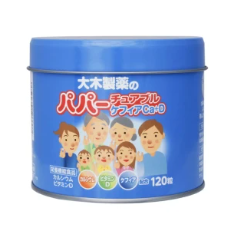
OHKI Papa Jelly Ca+D Chewing Tablets
A convenient form for those who don't like swallowing pills. The combination of calcium with vitamin D ensures proper absorption.
How to take: chew, preferably in the evening.
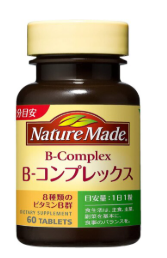
A complete set of B vitamins in optimal dosages. Supports the nervous system, energy metabolism, and skin health.
How to take: in the morning with breakfast.
Antioxidant Protection: Vitamin E
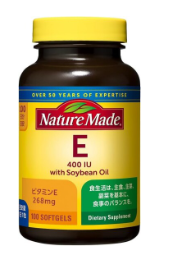
Natural vitamin E (d-alpha tocopherol) in a high dosage for powerful antioxidant protection.
How to take: with a meal containing fats.
What Research Says About Japanese Vitamins and Marine Components
Study by Assoc. Prof. Sugimoto et al. (2024)
Context: A study by Toho University, led by Professor Keiko Asakura and Associate Professor Minami Sugimoto, assessed the contribution of fortified foods and supplements to the total nutrient intake of 392 Japanese adults (20-69 years old).
Key findings:
- 31% of participants regularly used fortified foods or supplements
- The average contribution of supplements to total nutrient intake was up to 21%
- Supplement users more often achieved recommended intake levels for 9 nutrients
- The risk of excessive intake was minimal — only 2% of users showed an exceedance for vitamin B6
📌 Significance for the consumer: Japanese supplements effectively help achieve adequate vitamin and mineral levels without a significant risk of overdose (except for monitoring B6).
Study by Santa et al. (2023)
Context: A review article led by Kazuki Santa on the role of phytochemicals and vitamin D in disease prevention.
Key findings:
- The concept of ME-BYO (the state between health and illness) is becoming the foundation of preventive medicine
- Phytonutrients (polyphenols from onions, citrus fruits, tea, soy, turmeric) combined with vitamin D enhance anti-inflammatory effects
- Maintaining a healthy gut microbiota is critically important for immunity
- During the COVID-19 pandemic, interest in vitamin D and phytonutrients increased significantly
📌 Significance for the consumer: Combining vitamin D with plant antioxidants provides a synergistic effect for the prevention of chronic inflammation.
Research on Squalene, Spirulina, and Fucoidan
Squalene: Clinical studies confirm its ability to improve tissue oxygenation and protect cells from oxidative stress. Japanese scientists have proven that squalene enhances the immune response and promotes tissue regeneration.
Spirulina: A meta-analysis of studies conducted at Hiroshima University confirmed the hypolipidemic, antioxidant, and anti-inflammatory effects of spirulina. It effectively lowers cholesterol levels and supports immunity.
Fucoidan: Research by Okinawan scientists showed that regular intake of fucoidan from mozuku activates innate immunity and increases the level of immunoglobulin A (sIgA), which protects mucous membranes from infections. Kanehide Bio has obtained a patent for this technology.
Expert Opinion
Dr. Kazuki Santa, co-author of the study on phytonutrients and vitamin D, emphasizes: "Daily improvement and prevention of background conditions related to lifestyle are very important because they increase the risk of infectious diseases. Taking phytonutrients and vitamin D enhances anti-inflammatory effects, boosts immunity, and reduces the risk of chronic disorders by maintaining a healthy gut microbiota."
How the Japanese Build Their Vitamin Routine
Morning (Energy Boost)
- Breakfast with fats
- Multivitamin complex (all basic nutrients)
- Vitamin C (if not included in the multivitamin)
- Omega-3 (with food)
- Squalene (for energy and oxygen exchange)
Afternoon (Maintenance)
- Lunch
- If necessary, additional B vitamins during periods of high stress
Evening (Recovery)
- Dinner
- Calcium + vitamin D (if not taken in the morning)
- Magnesium (for relaxation and sleep)
Course-Based Support
- 2-3 times a year, intensive courses of spirulina (for energy and detox)
- Seasonal courses of fucoidan (for immunity, especially during cold and flu season)
- Squalene in courses of 1-2 months for vascular support and regeneration
Frequently Asked Questions (FAQ)
❓ Can I take several vitamins at the same time?
Answer: Yes, but considering compatibility. It's best to use ready-made balanced complexes from trusted manufacturers. If you take individual vitamins, observe intervals for competing components (calcium/iron, zinc/copper).
❓ Is there a risk of overdose?
Answer: According to the Sugimoto study, the risk is minimal when following dosages. The only nutrient for which 2% of users showed an exceedance was vitamin B6. Water-soluble vitamins (B group, C) are excreted in urine; fat-soluble ones (A, D, E, K) can accumulate, so it's important not to exceed dosages.
❓ What is the best time to take vitamins?
Answer: Fat-soluble (A, D, E, K, squalene) and omega-3 — with a meal containing fats. B vitamins and vitamin C — in the morning for energy. Calcium — in the evening. Magnesium — in the evening for relaxation or in the morning depending on the form. Spirulina and fucoidan can be taken anytime, but spirulina is better in the morning for vitality.
❓ Do I need to take breaks?
Answer: Most vitamins can be taken continuously, but courses of 1-2 months with a break of 2-4 weeks are considered optimal for maintaining the body's sensitivity. Squalene, spirulina, and fucoidan are also recommended to be taken in courses, alternating with breaks.
❓ Why are Japanese vitamins considered high quality?
Answer: Japanese production meets strict GMP standards. Raw materials undergo multi-stage purification, and formulas are developed based on clinical research. Japanese manufacturers strive for maximum naturalness and bioavailability of components. For squalene, spirulina, and fucoidan, this is especially important — they require gentle processing to preserve activity.
❓ Can Japanese vitamins be combined with medications?
Answer: With caution. Vitamin E and squalene enhance the effect of blood-thinning medications; vitamin K can reduce the effect of anticoagulants. Always consult your doctor.
❓ How long should I take squalene, spirulina, and fucoidan?
Answer: Squalene is usually taken in courses of 1-2 months. Spirulina — for 1 to 3 months, can be repeated 2-3 times a year. Fucoidan — in courses of 1-2 months during cold and flu season or for immune support.
The Japanese Approach to Vitamins — Systematization and Safety
Research confirms: The Japanese approach vitamin intake systematically. About one-third of the adult population regularly uses supplements, and this helps achieve adequate nutrient intake without a significant risk of overdose.
Key principles of the Japanese approach:
- Prevention, not treatment — the ME-BYO concept, identifying and correcting imbalances at an early stage
- Balance — preference for complex formulas where component interactions are considered
- Quality — strict control at all production stages, natural raw materials, minimal processing
- Regularity — vitamins are taken in courses, not sporadically
- Marine power — inclusion of unique components (squalene, spirulina, fucoidan) for comprehensive body support
💡 Modern research confirms: combining vitamins with phytonutrients (polyphenols from plants) and marine components provides a synergistic effect, enhancing anti-inflammatory and antioxidant protection.
Your path to proper vitamin intake can start with a basic complex. Listen to your body, follow compatibility recommendations, and choose high-quality Japanese products with proven effectiveness.
Where to Buy Japanese Vitamins and Marine Components?
Our catalog of vitamins and supplements features all the described products — from basic multivitamins to specialized complexes with squalene, spirulina, and fucoidan. Each product is shipped directly from Japan with a guarantee of authenticity and freshness.
Choose your complex and build your health mindfully!
📌 This article is for informational purposes only. It is recommended to consult with a physician before starting any dietary supplements.