

October knows how to be beautiful: golden leaves, cozy sweaters, hot tea. But sometimes, instead of romance, a feeling comes that the internal battery has dropped to 5%.
It's hard to get out of bed in the morning, the third cup of coffee sgets you through the day, and in the evening, the most interesting part begins: your body is tired, but your brain has suddenly decided to revisit all the problems of the past five years.
Sounds familiar?
In autumn, daylight hours shorten, we spend less time in the sun and more time indoors. For some people, this can affect mood, alertness, and sleep patterns. Add work deadlines, constant notifications, and the habit of scrolling your phone before bed - and you have the perfect recipe for evening overstimulation.
The good news: you can support your nervous system. And it doesn't necessarily have to involve medications.
The Japanese approach to everyday wellness suggests paying attention to supplements for sleep and the nervous system support: GABA, L-theanine, and magnesium. Each component has its own role, its own scientific data, and its own limitations.
Let's sort this out without magic promises - what really deserves attention and how to bring calm back to your evenings.
GABA and L-Theanine: When the Brain Needs a "Quieter" Button
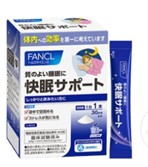
Imagine the nervous system as a big city. During the day, there is busy traffic: calls, tasks, meetings, messages. But at night, the traffic lights should switch, and the traffic flow should slow down.
Neurotransmitters are among the things responsible for regulating such actions in the brain.
Glutamate is involved in excitatory transmission of nerve signals, while GABA, or gamma-aminobutyric acid, is the main inhibitory neurotransmitter of the central nervous system.
They are not enemies but participants in one complex system. Sleep problems cannot automatically be explained by an "excess of glutamate," but the balance between excitation and inhibition helps explain why researchers are interested in GABA.
GABA: The Natural Inhibition Mechanism
GABA is produced by our body and is also found in some fermented foods. Japanese manufacturers also offer GABA it in the form of dietary supplements.
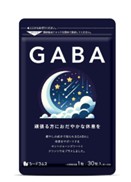
But there is an important nuance: GABA in the brain and GABA taken as a supplement are not the same thing. How effectively supplementary GABA affects the central nervous system is still being studied.
Research on GABA, including a 2020 review published in Frontiers in Neuroscience, has explored its potential effects on stress and sleep. The findings suggest that GABA may be considered as an additional part of an everyday wellness routine.
When choosing a GABA supplement, it is more important to consider the purpose of the specific formula, the recommended dosage, and individual tolerance.
Therefore, before buying a GABA supplement, it's worth looking at the formula, dosage, and purpose of use. You can explore the selection in our section for sleep and nervous system support.
L-Theanine: Calm Without Mandatory Drowsiness
L-theanine is an amino acid that makes green tea interesting not only for its taste.
Researchers are studying its effect on the body's response to stress, attention, and subjective sleep quality.
In a small Japanese study, participants who took L-theanine showed a lower heart rate response to a stressful task compared with those who received a placebo.
And in a 2019 study published in Nutrients, four weeks of taking 200 mg of L-theanine per day were accompanied by improvement in some indicators of stress and sleep in 30 adult participants.
These findings help explain the growing interest in L-theanine as an ingredient in evening formulas designed to support relaxation and a comfortable, healthy sleep routine.
L-theanine has also been studied in connection with alpha brain activity, which is associated with a state of calm alertness. This makes it particularly interesting for those looking to support relaxation without pronounced daytime drowsiness.
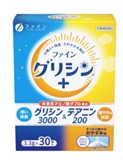
If you are researching L-theanine reviews, look not only at customer experiences but also at the product composition. For example, glycine and L-theanine for good sleep Fine Japan is an example of a combined formula that should be evaluated by the dosages of both components.
Magnesium: Why the Nervous System and Tense Muscles Are Connected
Sometimes, in the evening, you want to relax, but your shoulders seem glued to your ears. Your neck is tense, your legs are tired, and after a day at the computer, it feels as if your muscles have forgotten how to relax.
This is where magnesium is often mentioned - and not without reason.
Magnesium is involved in normal nervous system function, muscle contraction and relaxation, energy metabolism, and maintaining a normal heart rhythm.
The body needs magnesium year-round. If dietary intake is insufficient or there is an increased risk of deficiency, it’s worth reviewing your diet and, if needed, discussing additional supplementation with a healthcare professional.
Adequate magnesium intake is important for normal muscle and nervous system function, making this mineral an important part of a balanced daily diet.
Which Form of Magnesium Should You Choose?
Supplement labels may list citrate, glycinate, oxide, and other forms of magnesium.
The difference is not just in the name: different forms can vary in solubility, tolerability, and absorption. For example, magnesium oxide is generally absorbed less efficiently than some more soluble forms.
Magnesium tolerance depends on the form and dosage. To help avoid digestive discomfort, follow the recommended directions for use.
If you are choosing Japanese complexes with magnesium, check the amount of elemental magnesium, not just the mass of its compound.
When choosing a magnesium supplement, consider your diet, individual needs, and the specific form of magnesium. For long-term use, it’s important to take your total daily magnesium intake into account.
If muscle cramps, significant weakness, or sleep disturbances keep recurring, consult a healthcare professional to determine the most appropriate approach to supporting your health.
GABA, L-Theanine or Magnesium: What to Choose?
| Component | Main Role | When to Consider | What About Daytime Alertness |
| GABA | Involved in inhibitory transmission of nerve signals | For evening relaxation and restful downtime | Individual reaction, drowsiness possible |
| L-Theanine | Studied in the context of stress response and sleep quality | With subjective tension and difficulty relaxing | Not generally associated with pronounced sedation |
| Magnesium
|
Supports muscle and nervous system function | With insufficient intake or confirmed deficiency | Helps support normal body functions |
The main difference: GABA and theanine are studied as potential means of supporting relaxation, while magnesium is primarily an essential mineral.
For chronic insomnia or severe anxiety, consult a healthcare professional. Dietary supplements are intended to complement, not replace, prescribed treatment.
FAQ: Briefly About Japanese Relaxation Supplements
Do GABA and L-theanine cause addiction?
GABA and L-theanine are not prescription sleep medications. When used as directed, they may be included in daily wellness routines to support relaxation. Individual tolerance and responses can vary.
Can GABA be taken during the day before work?
Daytime use depends on the directions for the specific supplement and your individual response. If you’re trying it for the first time, consider taking it when you have free time so you can assess how you respond.
How quickly does L-theanine start working?
Some effects have been evaluated as early as 30–60 minutes after taking L-theanine, while sleep quality has been studied over several weeks. Follow the product directions and use it consistently as recommended.
Can all three components be combined?
Combination formulas are available in Japanese supplement ranges. When choosing a product, consider the dosage of each ingredient and potential interactions with medications. If you’re pregnant, have kidney disease, or take sedatives, consult a healthcare professional before use.
Where to find Japanese complexes?
In our catalog of original supplements from Japan, you can compare compositions and choose a suitable form. It is better to start with the goal and dosage, not with the number of components in one capsule.
And What Do Customers Say?
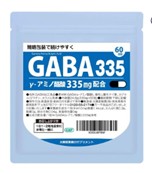
Customer experiences can be especially useful when people describe more than simply saying "it helped." Look for details such as how long they took the product, what dosage they used, and what changed in their sleep pattern.
For example, when choosing GABA, it is worth paying attention to mentions of daytime drowsiness, and in reviews about magnesium - to digestive tolerability.
Reviews can help you assess ease of use, taste, tolerability, and other users’ personal experiences. When choosing a supplement, consider reviews alongside the ingredient list and the manufacturer’s recommendations.
If you plan to buy an original GABA complex, compare the composition and manufacturer's recommendations, and then assess how well the product meets your needs.
Reclaim Your Right to Calm Evenings
Sometimes the best form of self-care is not another cup of coffee or trying to push your body to work at its limit.
It can be a morning walk in daylight, a more consistent sleep schedule, less caffeine in the evening, and a little quiet time before getting into bed.
Japanese GABA, L-theanine, and magnesium can become additional tools for supporting relaxation and better sleep when you understand what each ingredient can - and cannot - do.
Calm doesn't necessarily mean having no tasks or worries. Sometimes, it's simply the ability to switch at the right time from "I have to get everything done" mode to "I've done enough for today" mode.
May this autumn bring more cozy evenings, easier mornings, and genuine rest.