Table of Contents:
- Macro- and Micronutrients - What's the Difference?
- The Most Important Minerals for the Human Body
- Mineral and Multimineral Supplements - How to Choose?
- A Selection of Popular Japanese Mineral Complexes
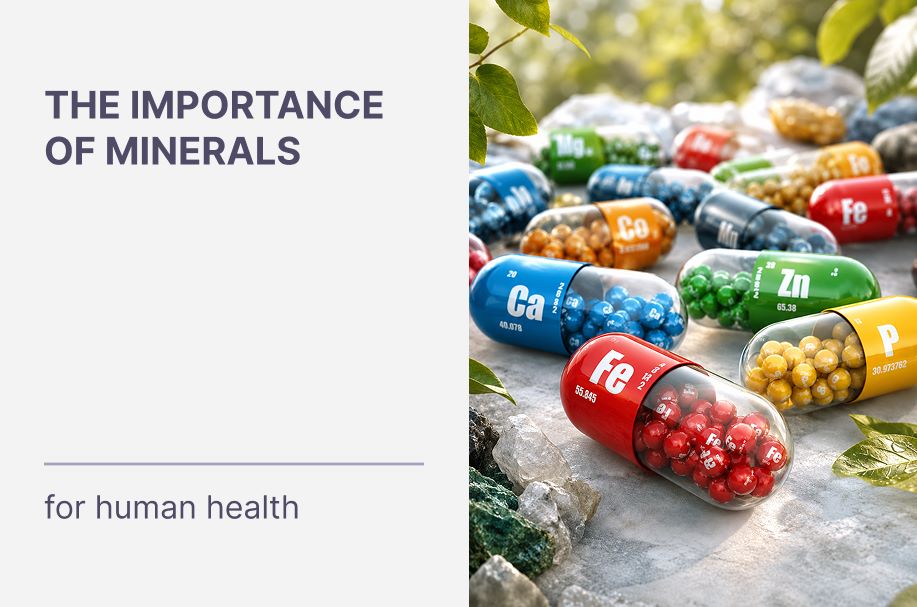
The human body contains almost the entire periodic table, and every mineral plays its own important role in maintaining health. Minerals are involved in blood formation, fluid balance, energy metabolism, and the normal function of the cardiovascular, nervous, and muscular systems. You probably already know that minerals are important for your health. But when it comes to supplements, many questions often arise:
- Should I choose a single-ingredient supplement or a multimineral complex?
- What dosage of micro- and macronutrients should I take for prevention?
- Do I need to take all minerals additionally, or are some of them sufficient to get from food?
- Is it dangerous to take large doses of minerals uncontrollably?
In this article, we will try to answer all these questions and help you choose the best minerals for your health.
What Are Minerals?
Minerals are generally divided into two groups: macrominerals and trace minerals.
Macrominerals include calcium, phosphorus, potassium, magnesium, sodium, chlorine, and sulfur. The body needs these minerals in relatively large amounts, usually measured in grams or hundreds of milligrams.
Trace minerals include iron, copper, manganese, zinc, cobalt, iodine, fluoride, chromium, and selenium. The body needs them in much smaller amounts, often measured in milligrams or micrograms.
It would be impossible to cover every mineral and its properties in a single article. Therefore, let's focus on some of the most important minerals for the human body.
The Most Important Minerals in Our Body
Potassium

This macronutrient performs a number of vital functions in the body:
- Participates in the work of the heart muscle
- Promotes muscle contraction
- Removes excess fluid from the body along with harmful substances dissolved in it
An adult body requires quite a lot of potassium per day - up to 5 g. A deficiency of this mineral leads to chronic fatigue, apathy, drowsiness, arrhythmia, and muscles noticeably lose performance. From which foods can you get potassium?
A large amount of this macronutrient is found in dried apricots, bran, peanuts, soybeans, fresh fruits, and greens. But the real champions in potassium content are bananas. One medium-sized fruit contains about 450 mg of potassium!
Japanese vitamins and mineral complexes with potassium.
Sodium
Sodium participates in many vital processes. It increases the activity of digestive enzymes, is part of the matrix, and helps retain fluid in the intercellular space.
The body requires about 2.3 g of sodium per day. Usually, a person easily gets this amount from food.
Excess sodium is harmful to the body. Since it retains fluid, this can lead to severe swelling.
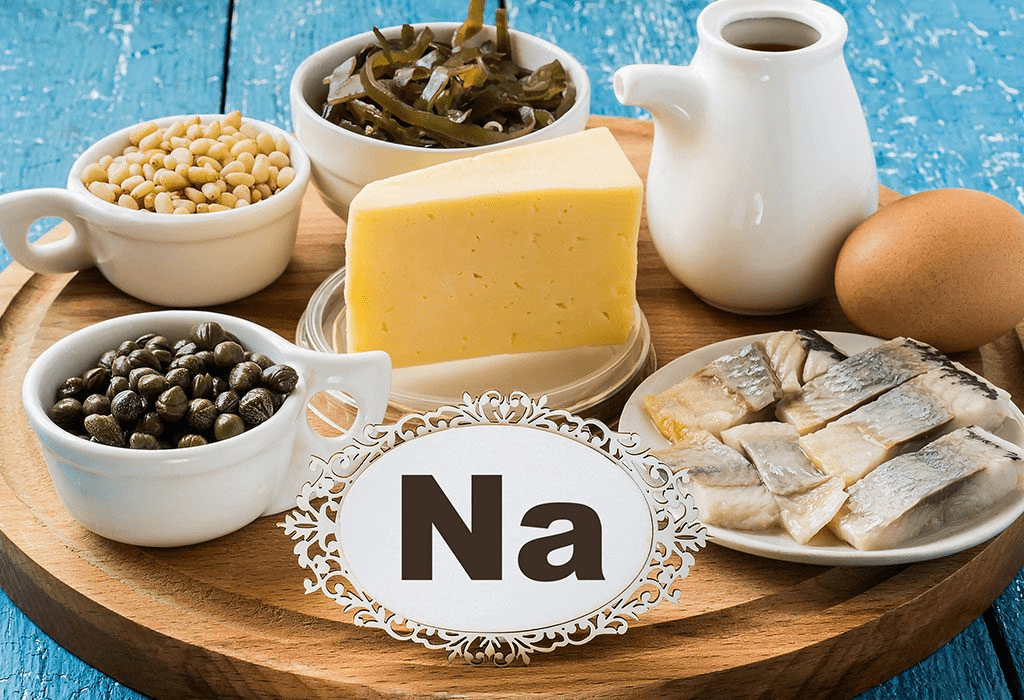
Sodium deficiency can develop in the body due to excessive sweating. As a rule, this happens during intense training. But people far from sports can also face this problem. Prolonged exposure to heat also often leads to hyponatremia. The following symptoms are observed:
- General malaise
- Sudden loss of strength
- Convulsions
From which foods can you get sodium?
A large amount of sodium is found in table salt. Therefore, the easiest way to replenish a deficiency of this macronutrient is to eat something salty. In addition, a lot of sodium is contained in such products:
- Cheese
- Brine cheese
- Sea fish
- Meat
- Beetroot
- Prunes
- Garlic
Calcium
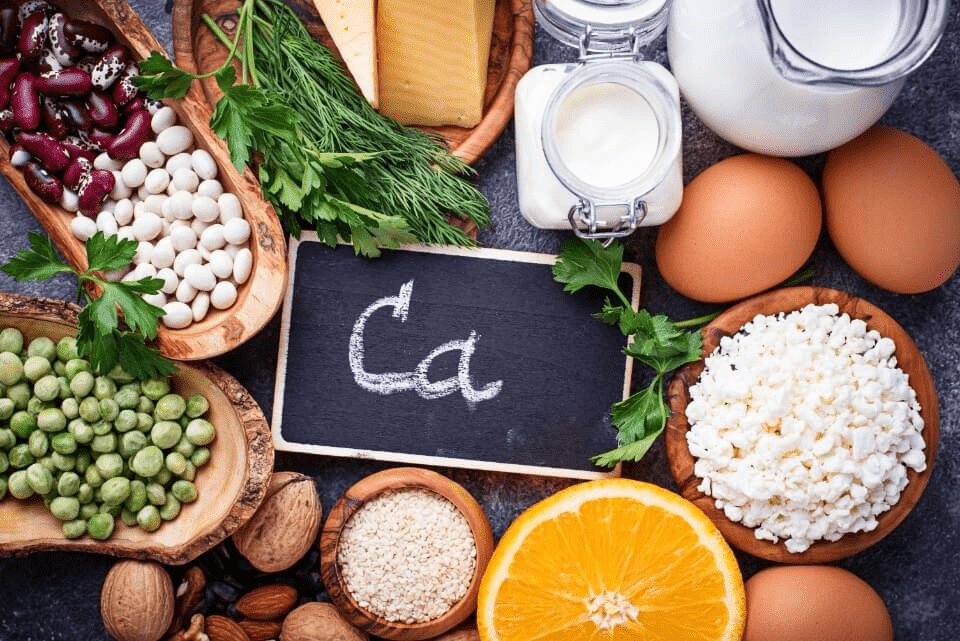
This is the main mineral that gives strength to teeth and the skeleton. It is in the bones that 99% of all calcium in the body is contained.
In addition, this macronutrient is necessary for the proper functioning of the circulatory and nervous systems.
An adult requires from 800 to 1500 mg of calcium per day. This indicator varies depending on age and gender. With calcium deficiency:
- Bones become fragile, the risk of fractures increases
- Children experience growth and physical development disorders
- Teeth are destroyed
- The condition of nails worsens
- Limbs go numb
- Hypertension develops
- Sleep is disturbed
- Chronic fatigue and increased irritability appear
Calcium is difficult to absorb, the body does not store this mineral and consumes it very quickly. For example, in a state of stress, overwork, and illness, the need for calcium increases sharply. Therefore, it is important to constantly replenish the reserves of this macronutrient.
From which foods can you get calcium?
Traditionally, dairy products are the main source of calcium. You can also get a portion of the mineral from:
- Vegetables
- Legumes
- Egg yolk
- Fish
- Honey
Japanese vitamins and mineral complexes with calcium
Phosphorus
Phosphorus, together with calcium, is a building material for teeth and bones. It is what gives the skeleton strength. But its functions in the body do not end there. Phosphorus is of great importance for:
- Metabolism
- Hematopoiesis
- The nervous system
- The brain
- Physical activity

Normally, an adult should consume from 1200 to 1500 mg per day. With a lack of this mineral:
- Metabolism is disrupted
- Body weight decreases
- Limbs go numb, their sensitivity decreases
- Painful sensations in the bones occur
- Anxiety and unreasonable fear appear
- General weakness and chronic fatigue are noted
From which foods can you get phosphorus?
It is not difficult to replenish the reserves of this mineral if you eat:
- Fish
- Cheese and cottage cheese
- Chicken
- Cereals and vegetables
- Legumes
Magnesium
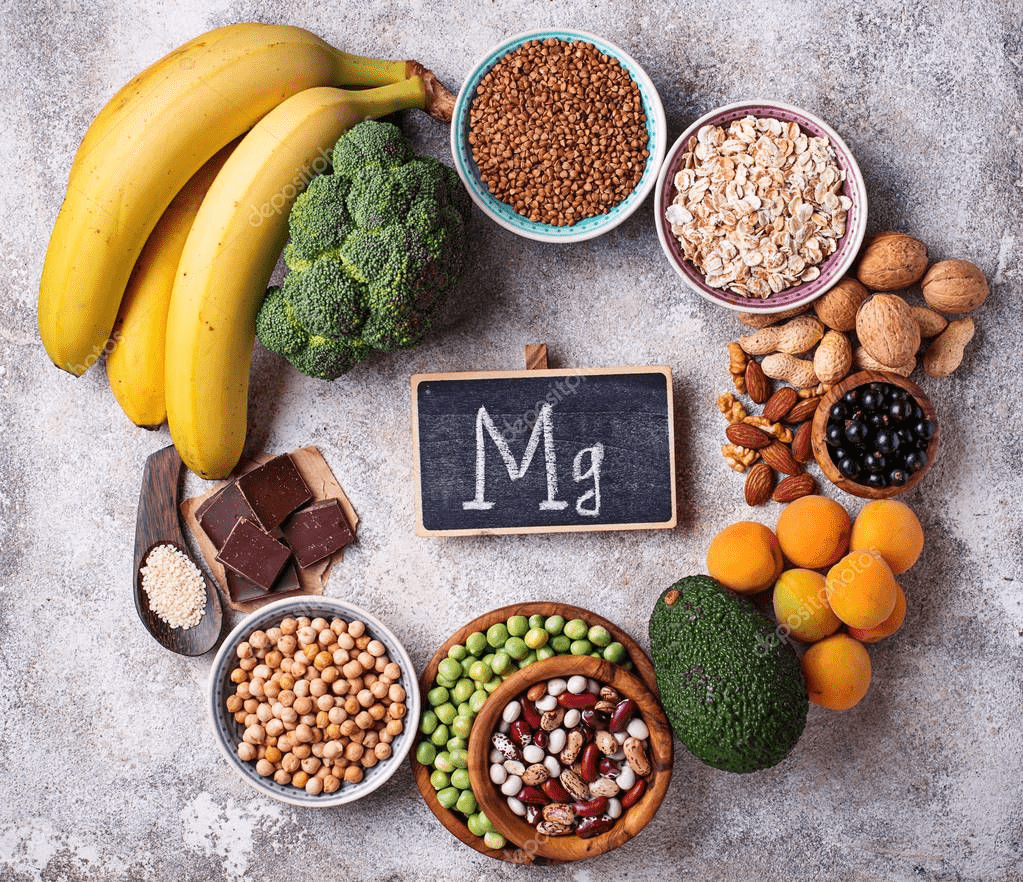
This mineral is a natural anti-stress. It has a miraculous effect on the nervous system and increases stress resistance. In addition, magnesium:
- Improves the functioning of the gastrointestinal tract, stimulating bile secretion and intestinal peristalsis
- Increases the speed of transmission of nerve impulses
- Normalizes muscle functions
- Participates in the formation of bone tissue
For a healthy adult, the recommended daily dosage of magnesium is 450 mg. With a deficiency of this mineral, the following pathologies can occur:
- Sleep disorders
- Increased excitability of the nervous system
- Convulsions, especially at night
- Kidney dysfunction
From which foods can you get magnesium?
Often it is difficult to get the required amount of magnesium from the daily diet. Moreover, its consumption in a state of stress increases significantly. Therefore, it is recommended to regularly take magnesium as a supplement. The natural sources of this mineral are:
- Legumes
- Nuts
- Sunflower seeds
- Cereals
- Seafood
- Dried fruits
Japanese vitamins and mineral complexes with magnesium
Chlorine
Probably, it is not worth consuming this mineral in its pure form. But sodium chloride - table salt, known to everyone, is extremely necessary for the body.
This compound is one of the components of hydrochloric acid of gastric juice.
The recommended daily dosage of chlorine is about 4 g. With its lack, for example, on a salt-free diet, the following disorders often develop:
- Hypotension
- Loss of energy
- Drowsiness
- Lack of appetite
- Decreased muscle tone
- Arrhythmia
From which foods can you get chlorine?
The main source of chlorine is salt. Salt your dishes moderately, and the problem of chlorine deficiency will be solved.
Sulfur
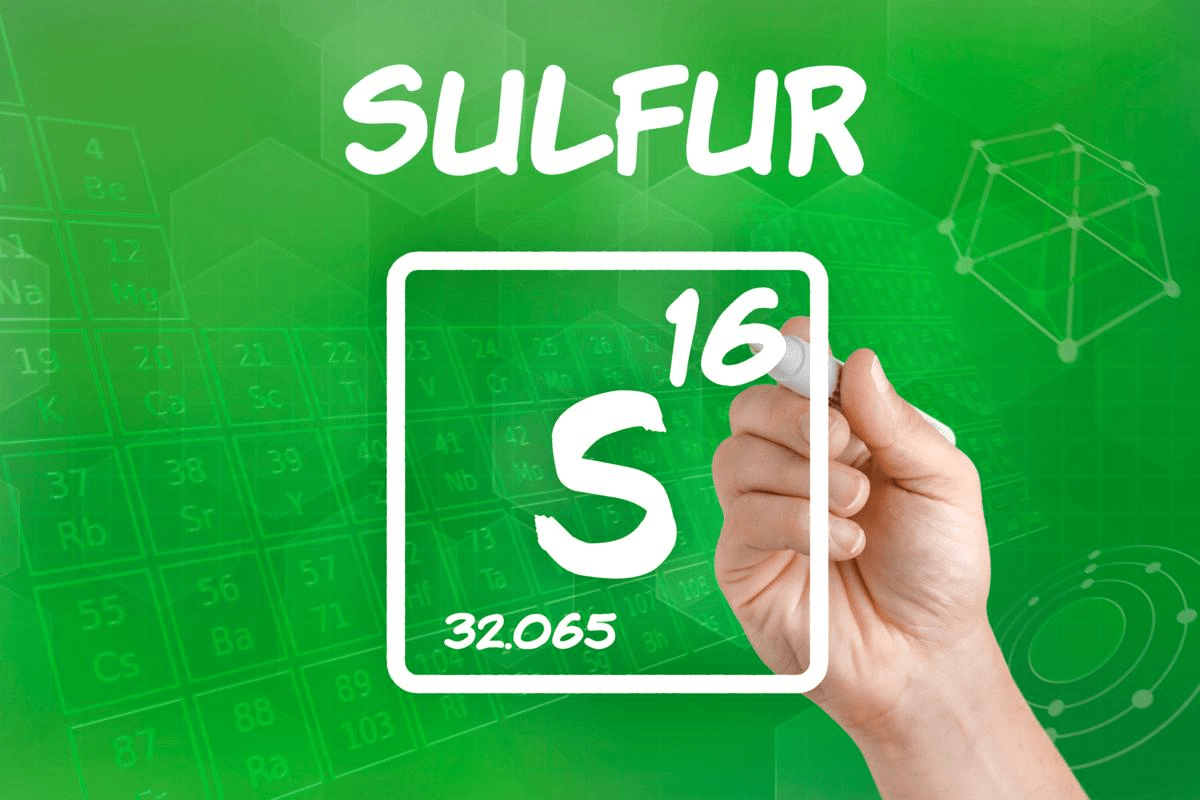
Sulfur is an essential component of all protein structures of the body. This mineral is present in amino acids, hormones, and even vitamins synthesized by the body. Sulfur is also necessary for the normal function of the circulatory system, and the brain also needs it.
On average, an adult is recommended to consume at least 1000 mg of sulfur per day. With a deficiency of this mineral:
- The quality of hair and nails deteriorates
- Withering processes accelerate
- Blood glucose and cholesterol levels rise
- Painful sensations in the joints occur
From which foods can you get sulfur?
Sources of organic sulfur in the diet will be:
- Poppy seeds
- Meat and fish products
- Eggs
- Legumes - peas, soybeans
- Wheat
- Dairy products
Iron
Iron performs many functions in the body, but the main one is the formation of hemoglobin and the transport of oxygen from the lungs to tissue cells. Iron also:
- Increases the activity of enzymes
- Stimulates the activity of the immune system
- Participates in the conduction of nerve impulses
- Affects the functions of the thyroid gland
Normally, an adult should consume 18-20 mg of iron per day. With its deficiency, iron deficiency anemia develops, which leads to a decline in strength, arrhythmia, and pallor of the skin.
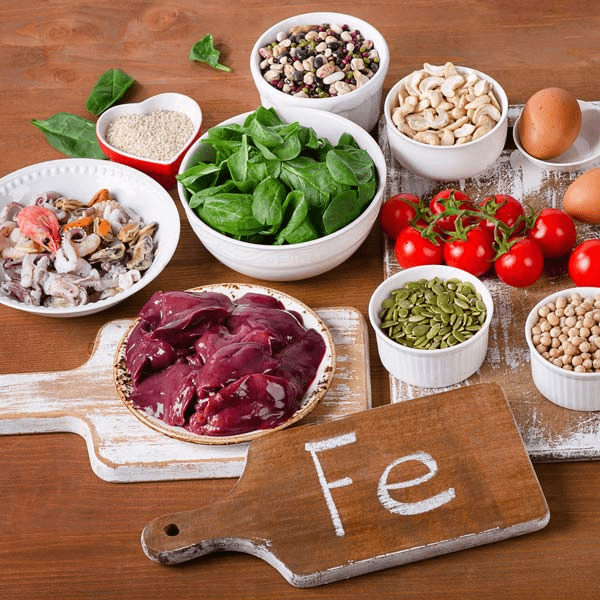
From which foods can you get iron?
To prevent iron deficiency, you should include in your daily diet:
- Meat and offal
- Seafood
- Egg yolk
- Green and leafy vegetables
- Pomegranates
Japanese vitamins and mineral complexes with iron
Zinc

Although the body does not need much zinc, the role of this mineral for health can without exaggeration be called one of the most significant. First of all, zinc has a significant impact on the functioning of the immune system. It is zinc that positively affects the activity of T-cells, increasing their ability to recognize infections and viruses and fight them.
Therefore, with a zinc deficiency, the immune system suffers first.
Zinc also performs other useful functions:
- Participates in metabolic processes
- Affects male reproductive function
- Responsible for the condition of hair and nails
- Ensures the normal activity of the endocrine system
The daily requirement for zinc for an adult is about 20 mg. Its deficiency is primarily indicated by frequent colds and infectious diseases. In addition, with a lack of zinc, chronic fatigue, neuroses and other mental disorders occur, atherosclerosis develops, and libido decreases.
From which foods can you get zinc?
In large quantities, it is contained in such a delicacy as oysters. You can also get zinc from:
- Meat and offal
- Seafood
- Eggs
- Cheese
- Sesame
- Vegetables
Japanese vitamins and mineral complexes with zinc
Iodine
Without a sufficient amount of iodine, the normal activity of the endocrine system is impossible.
It is iodine that regulates the functions of the thyroid gland and plays a significant role in maintaining the hormonal balance as a whole. And these are not all its useful qualities.
In addition, iodine:
- Improves the function of the cardiovascular system
- Normalizes the level of lipoproteins in the blood
- Positively affects the state of the immune system
- Strengthens the nervous system

Adults are recommended to take up to 150 mcg of iodine per day. With a deficiency of this micronutrient, the functions of the thyroid gland are disrupted, and also:
- The condition of the skin and nails worsens, hair breaks and falls out
- Rapid fatigue and chronic fatigue appear
- The ability to withstand stress decreases
- Memory deteriorates
- Excess weight appears
From which foods can you get iodine?
The richest natural source of iodine is laminaria, which is also called kelp and seaweed. You can also get this mineral from:
- Seafood and fish
- Vegetables and fruits
- Beef and chicken meat
- Greens
- Green and black tea
Selenium
This mineral is a natural active antioxidant. It protects cells from destruction and helps prolong youth. Among its useful qualities, its ability to influence the functioning of the thyroid gland, stimulating the secretion of thyroid hormones, can be particularly highlighted. Also, selenium:
- Increases immunity
- Activates metabolism at the cellular level
- Positively affects the activity of the nervous system
It is recommended to consume about 70 mcg of selenium per day. Its deficiency can lead to disorders of the nervous system, cardiovascular diseases, impaired absorption of vitamins and lipids.
From which foods can you get selenium?
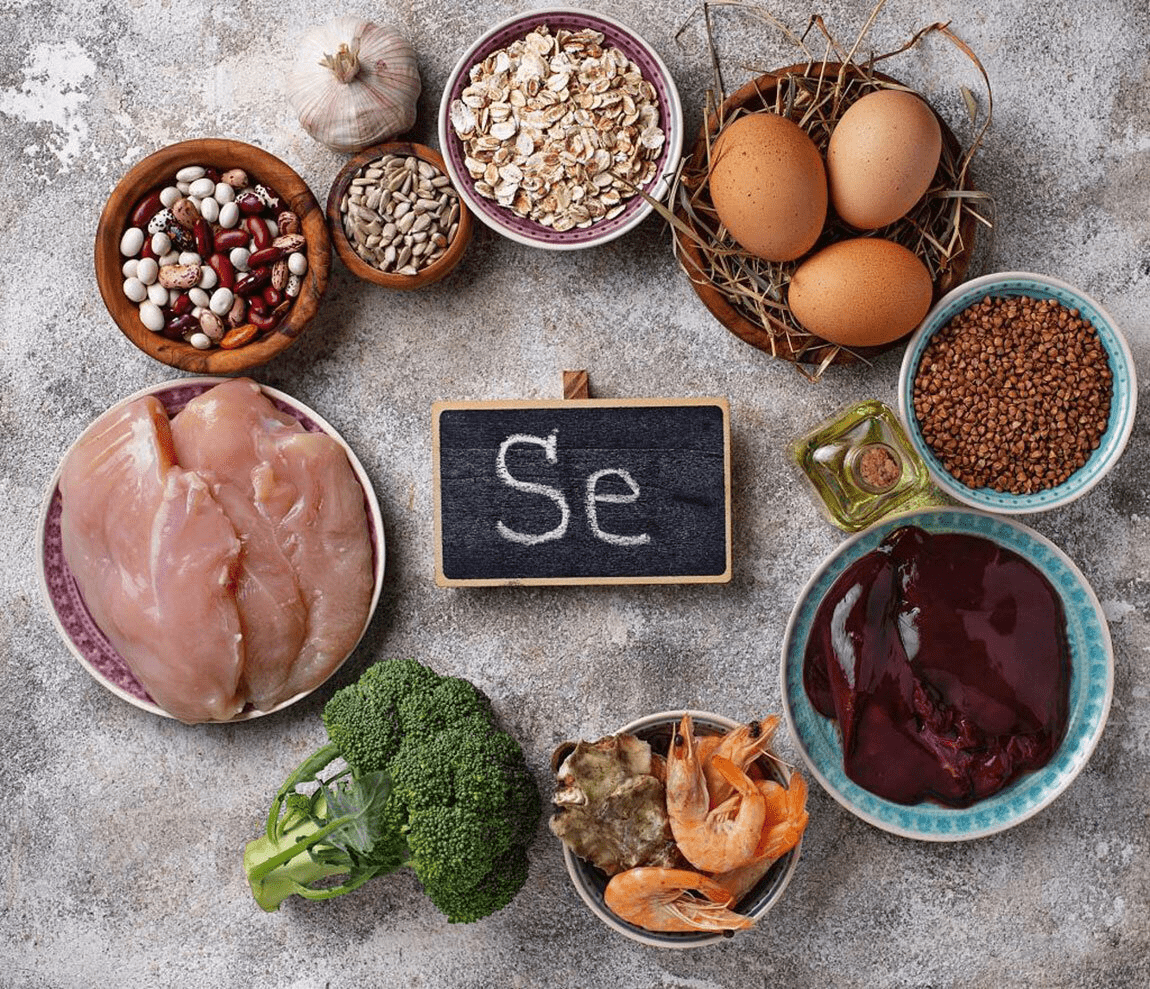
A large amount of this mineral is contained in seafood and sea fish. You can also replenish selenium reserves by regularly eating eggs, meat, liver, and yeast.
Japanese vitamins and mineral complexes with selenium
Silicon
Silicon is rightly called the mineral of beauty. It participates in protein metabolism in the body and stimulates the synthesis of collagen fibers. With a sufficient amount of silicon in the diet, the skin retains its elasticity for a long time, and hair and nails are healthy and beautiful. Also, silicon:
- Stimulates immunity
- Dilates blood vessels
- Participates in carbohydrate metabolism
- Normalizes the development and functions of epithelial tissue
For normal vital activity, the body of an adult requires about 30 mg of silicon per day. With its deficiency, the condition of the skin and hair worsens, weather dependence occurs, and the nervous system suffers.
From which foods can you get silicon?
A large amount of this mineral is contained in the shells of cereals. Therefore, it is useful to eat whole grains, unprocessed cereals. You can also get silicon from legumes and fruits.
Chromium
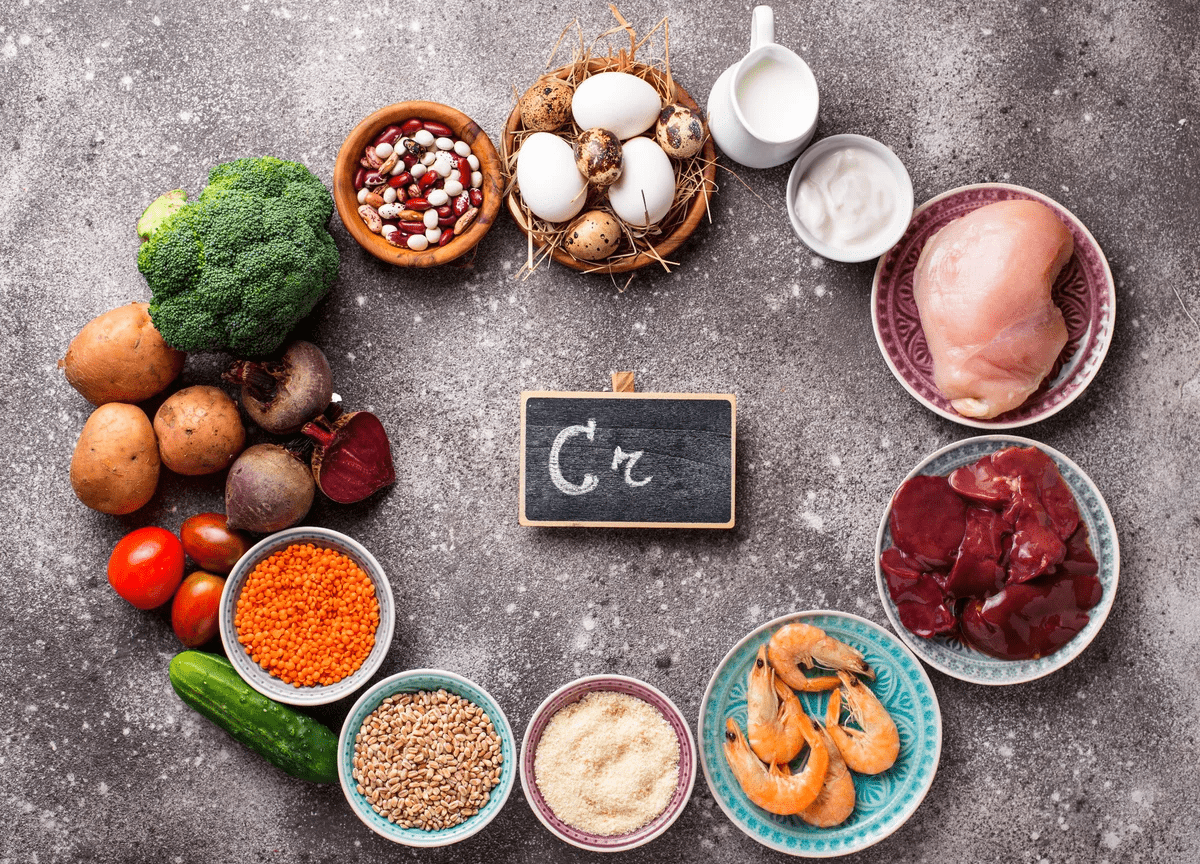
Chromium performs important functions in the human body. First of all, its ability to control the amount of insulin produced and influence its absorption is valued. Also, chromium:
- Regulates appetite
- Improves the metabolism of fats and carbohydrates
- Normalizes blood pressure
- Affects the quality of DNA and RNA
The average daily requirement for chromium for an adult is 50 mcg. A lack of chromium leads to rapid fatigue, frequent headaches, anxiety states, and insomnia. Numbness and tremor of the limbs may also be observed.
From which foods can you get chromium?
A significant amount of this mineral is contained in tuna, tomatoes, and onions. Other sources of chromium are:
- Meat and offal
- Grains and legumes
- Seafood and sea fish
- Mushrooms
- Eggs
Japanese vitamins and mineral complexes with chromium
Mineral and Multimineral Supplements - How to Choose?
Indeed, the variety of health products today is so abundant that sometimes it is difficult to make a choice.
The most pressing question: what to prefer - one multi-preparation or is it more effective to take each mineral separately?
First of all, it is recommended to take tests to determine the level of minerals in the body. And only after that choose drugs based on the results obtained.

If there are no deficiencies, choose a multimineral complex. As a rule, its composition contains minerals in carefully selected dosages. When developing the complex, recommendations on the average daily consumption of minerals and the amount of substances that the average person gets from food are taken into account. Therefore, taking such drugs, it is impossible to overdose minerals.

If a deficiency is established, be sure to consult a specialist. He will prescribe the necessary minerals for you in the required dosages, indicate the duration of the course, and also help adjust the diet so that you get the maximum of useful substances from available products.
Never independently and uncontrollably prescribe therapeutic dosages of minerals to yourself and your loved ones - an overdose is no less dangerous than a deficiency! Without prior consultation with a specialist, you can only take those drugs that contain prophylactic doses of active substances.
A Selection of Popular Japanese Mineral Complexes
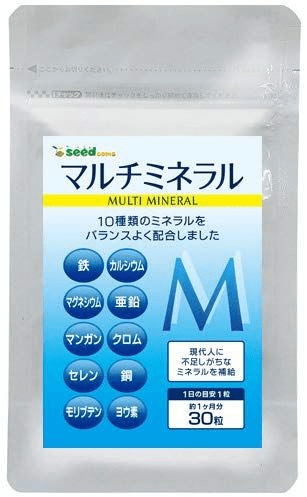
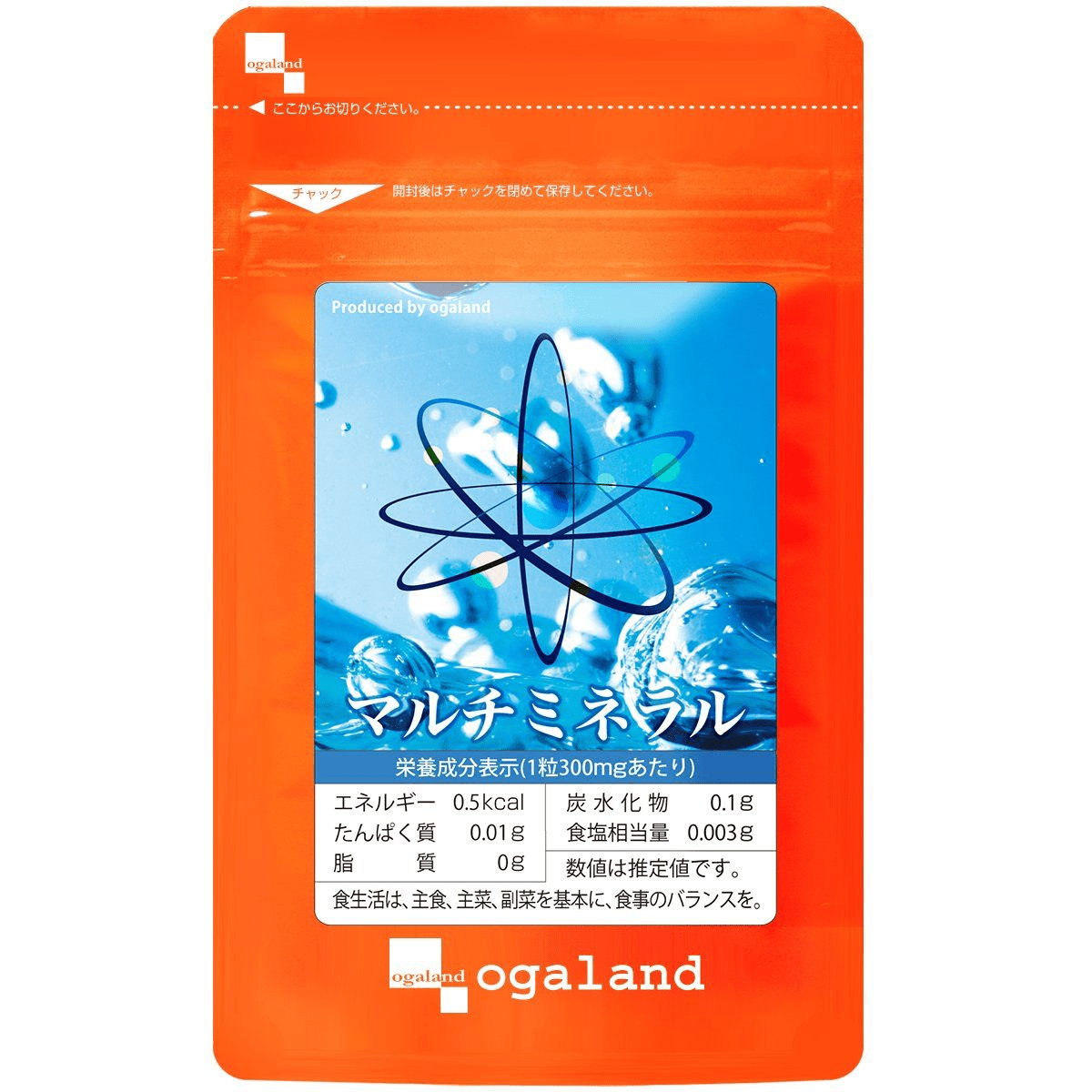
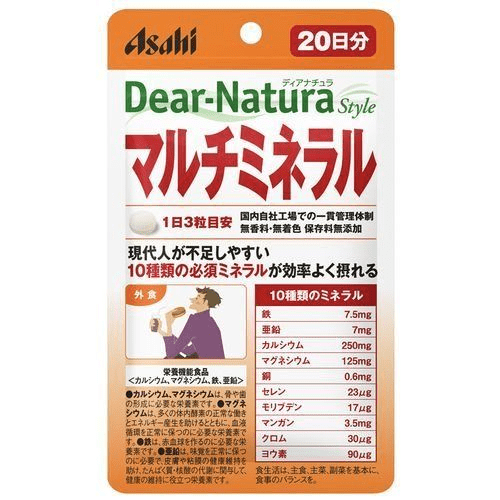
We bring to your attention the best multimineral complexes from our assortment. They can be taken for preventive purposes by all family members over 15 years old. If you need to choose a drug individually, contact our consultant for help.
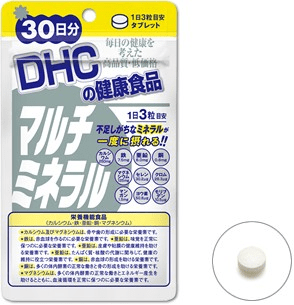
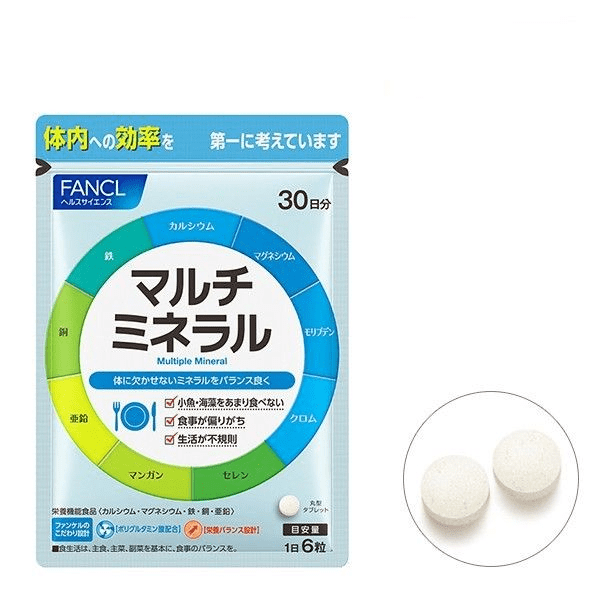
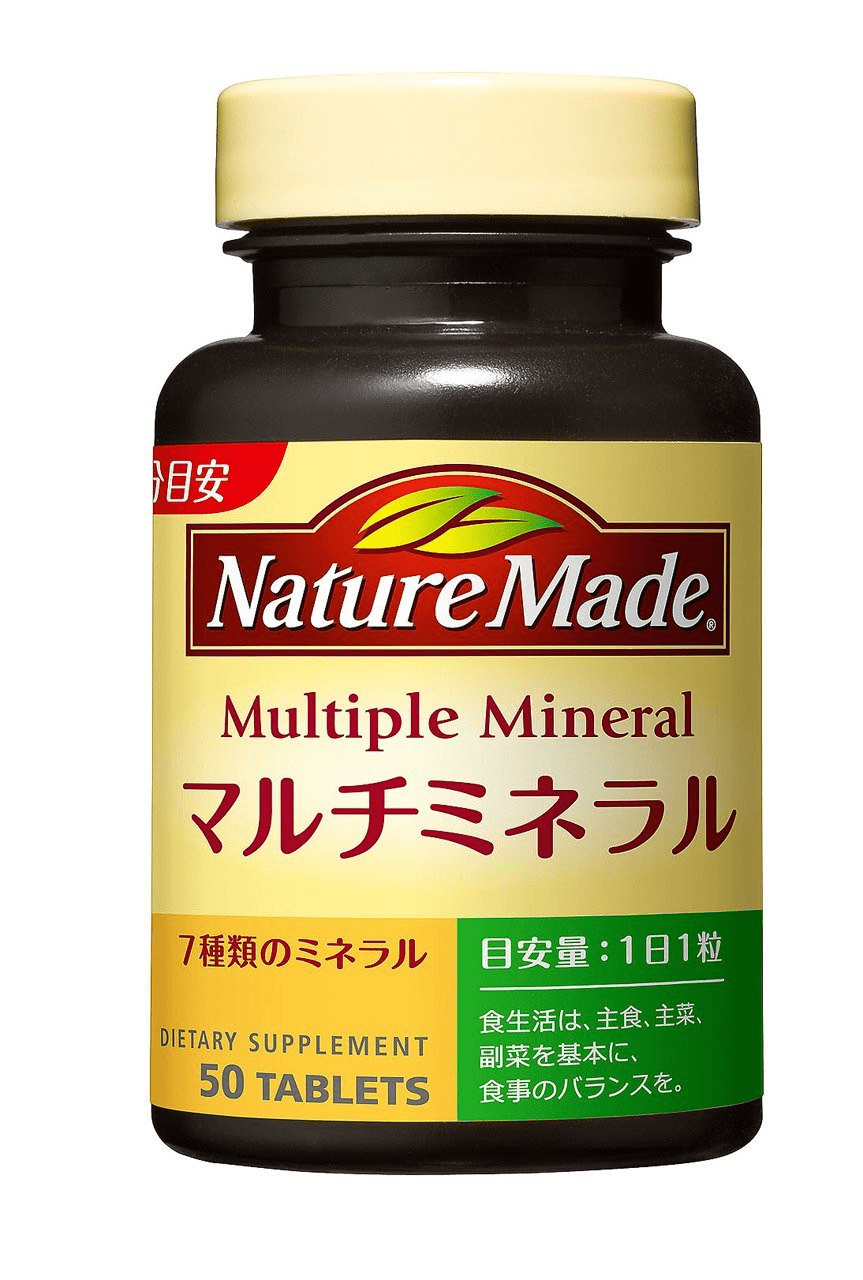 Nature Made Multiple Mineral Complex