

Discover true Japanese cuisine beyond sushi. Learn about the philosophy of washoku, explore the five essential tastes, and find out how easily you can recreate authentic Japanese dishes at home using Japanese seasonings and ingredients from our catalog.
Japanese Cooking: More Than Sushi — A Philosophy for Your Kitchen
When we think of Japanese cuisine, sushi and rolls often come to mind. But that's just the tip of the iceberg.
Real Japanese cooking — washoku — is a centuries-old philosophy recognized by UNESCO as an Intangible Cultural Heritage. It's a culinary ritual built on harmony, seasonality, and health.
The "Ichiju Sansai" Philosophy: The Foundation of Japanese Meals
At the heart of washoku lies the principle of ichiju sansai — "one soup, three dishes."
It's not a strict rule, but rather a guide to balanced, nutritious eating:
- Ichiju (one soup): usually miso soup — warming, satisfying, and good for digestion.
- Sansai (three dishes):
- Main dish: a protein source such as fish, tofu, or occasionally meat.
- Side dish: another protein or vegetable-based dish.
- Additional dish: steamed, simmered, or pickled vegetables.
This is always served with rice and pickles, ensuring a variety of nutrients and flavors.
The Five Pillars of Japanese Taste
The secret of Japan's culinary magic lies in the balance of five essential tastes, created by key traditional ingredients:
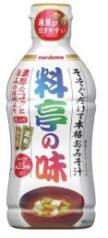
- Sweet (amai): mirin (sweet rice wine), sake, sugar.
- Salty (shiokarai): soy sauce (shoyu), miso, salt.
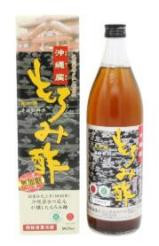
- Sour (suppai): rice vinegar (su), umeboshi (pickled plums), citrus fruits like yuzu and sudachi.
- Bitter (nigai): green tea, bitter vegetables (like goya).
- Umami (savory): kombu (kelp), katsuobushi (bonito flakes), dried shiitake mushrooms, miso.
Umami — the "fifth taste" — gives Japanese dishes their depth and richness. These basic elements are your bridge to experiencing authentic Japanese cooking at home.
Your Japanese Pantry: Authentic Flavors with JapanesBeauty
You don't need rare ingredients found only in Tokyo.
Just a few essential products from our catalog will help you bring authentic Japanese flavors to your kitchen.
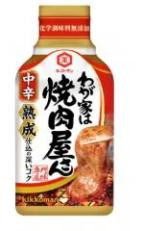
- The Basics: Seasonings and Sauces
- Kikkoman Soy Sauce for Stir-Fried Meat with Vegetables, Sesame, and Fruits. True Japanese shoyu is naturally brewed from soybeans, wheat, salt, and water — complex, round, and perfectly balanced.
- Miso: fermented soybean paste. Shiro miso (white) — mild and slightly sweet, great for soups and sauces. Aka miso (red) — richer and saltier, ideal for hearty stews.
- Mirin: sweet rice wine for cooking. Adds gloss, gentle sweetness, and balances saltiness — the base for teriyaki sauce.
- Rice vinegar: mild, slightly sweet, essential for sushi rice, dressings, and pickled vegetables.
How to use these at home:
Mix 3 tbsp soy sauce, 1 tbsp mirin, 1 tsp sugar, and 1 minced garlic clove for an authentic Japanese-style marinade.
2. The Magic of Umami: Seaweed and Katsuobushi
-
Kombu (kelp): the foundation of dashi, Japan's signature soup stock. Soak a strip in water for several hours to get a clear, umami-rich broth.
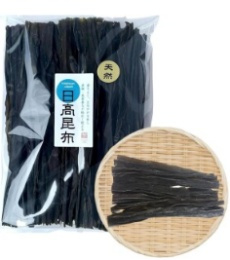
- Nori: not just for sushi — crumble over rice, noodles, or salads for texture and a sea aroma.
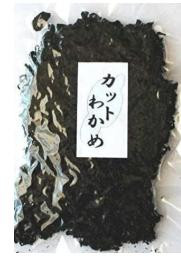
- Wakame: tender green seaweed used in miso soup and refreshing salads like kaiso sarada.
Try this at home:
Make a simple miso soup: dissolve 1–2 tbsp miso paste in 500 ml dashi (or water with a small piece of kombu), then add tofu cubes and dried wakame. Serve immediately — perfect for breakfast or a light dinner.
3. A Spark of Flavor: Spices and Seasonings
- Japanese curry: thicker, milder, and slightly sweet compared to Indian curry. Sold as blocks or pastes — try Kokumaru or House Foods brands for a comforting flavor.
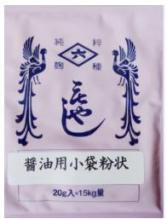
- Furikake: a dry seasoning mix of sesame seeds, seaweed, salt, and sometimes fish flakes or egg powder. Sprinkle over hot rice to instantly turn it into a flavorful meal.
- Koji spores (koji-kin): the secret behind miso, soy sauce, and sake. Use shio-koji at home as a natural meat and fish marinade — it tenderizes proteins and enhances umami.
Try this at home:
Cook Japanese rice, then top it generously with furikake for an instant, authentic flavor boost.
4. The Perfect Finish: Tea and Sweets
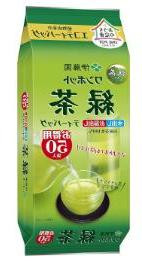
Green tea: sencha, gyokuro, or matcha — each with its moment. Sencha is the perfect everyday tea, cleansing the palate during and after meals.
Wagashi (Japanese sweets): delicate and subtly sweet treats designed to complement tea — like mochi (rice cakes), dango (grilled rice balls), or agar-based jelly sweets.
Try this at home:
Host your own Japanese tea break — brew a cup of quality sencha and pair it with traditional sweets from our store.
Your Japan Begins in the Kitchen
Japanese cooking isn't about complex techniques — it's about quality ingredients and respect for their natural flavor. Start small: cook perfect rice and sprinkle it with furikake, make miso soup for breakfast, or marinate chicken in soy sauce and mirin.
At JapanesBeauty, we've gathered everything you need to begin your journey into the world of washoku — authentic, inspiring, and full of flavor.
Create your first Japanese-style dinner today!